Buying the Property Is Not the Finish Line
Buying property in Jamaica from abroad is a big moment.
For many Jamaicans overseas, it is more than a transaction. It may be land you dreamed about for years. A house you plan to retire in. A piece of family history you finally secured. A place that keeps you connected to home, even while you are living in the U.S., Canada, the UK, or somewhere else.
But here is the part people do not always talk about clearly:
The work does not end when the sale is complete.
Once you buy the land or house, you still need to protect the paperwork, update records, manage taxes, check the physical property, handle utilities, and create a system for watching over it from abroad.
Owning property in Jamaica while living overseas is possible. But it cannot be left to memory, verbal promises, or “somebody will look after it.”
You need a plan.
Related Guided
Buying property in Jamaica from abroad” to: How to Buy Property in Jamaica From Abroad: A Step-by-Step Guide (2026)
1. Secure Your Property Documents
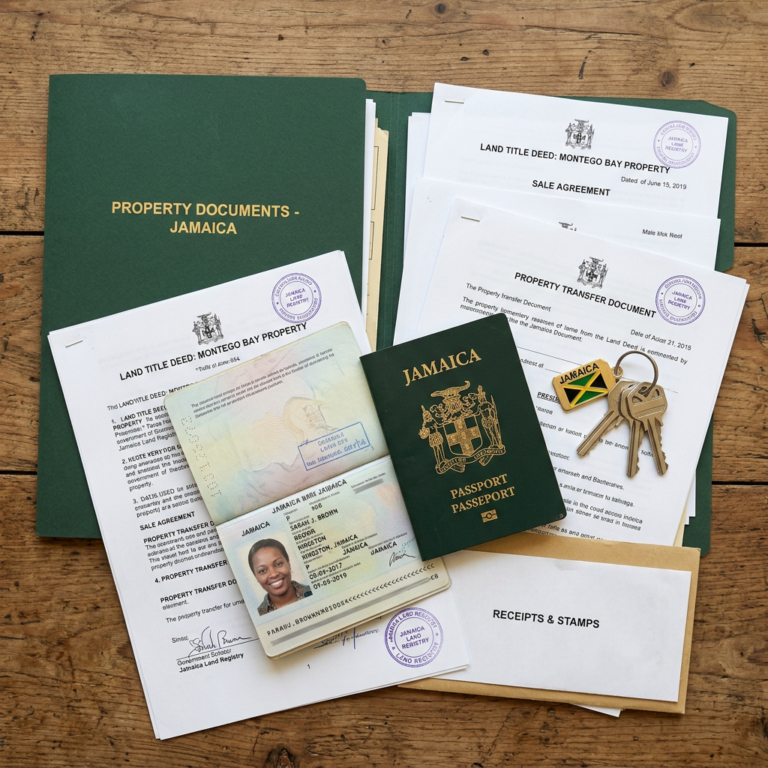
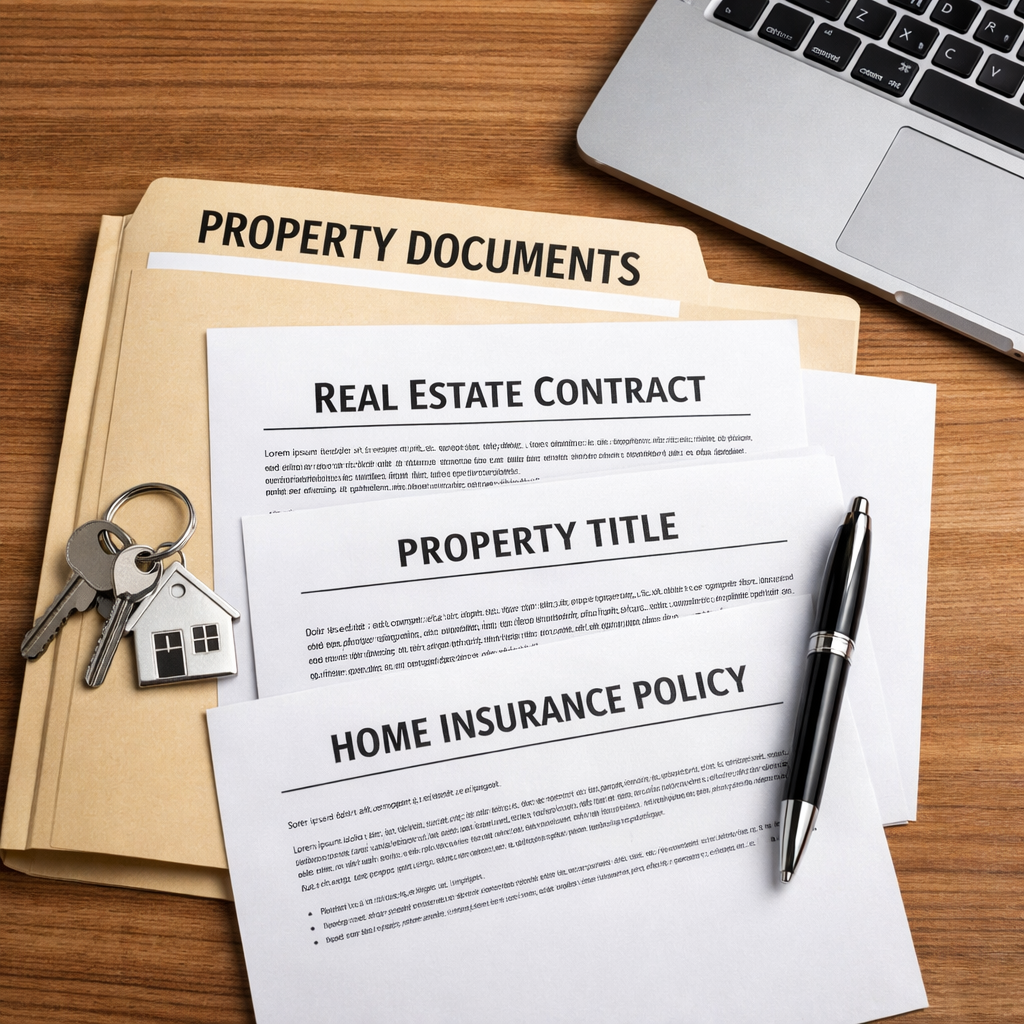
After the purchase is complete, ask your attorney for a full property document pack. This should include the main legal and financial records connected to the sale.
Keep both digital and physical copies. Save digital copies in a secure cloud folder and keep originals somewhere safe.
Your property document pack may include:
- Certificate of Title or title transfer documents
- Agreement for Sale
- Attorney closing letter or completion statement
- Receipts for stamp duty, transfer tax, legal fees, registration fees, and other closing costs
- Surveyor’s report or diagram, if available
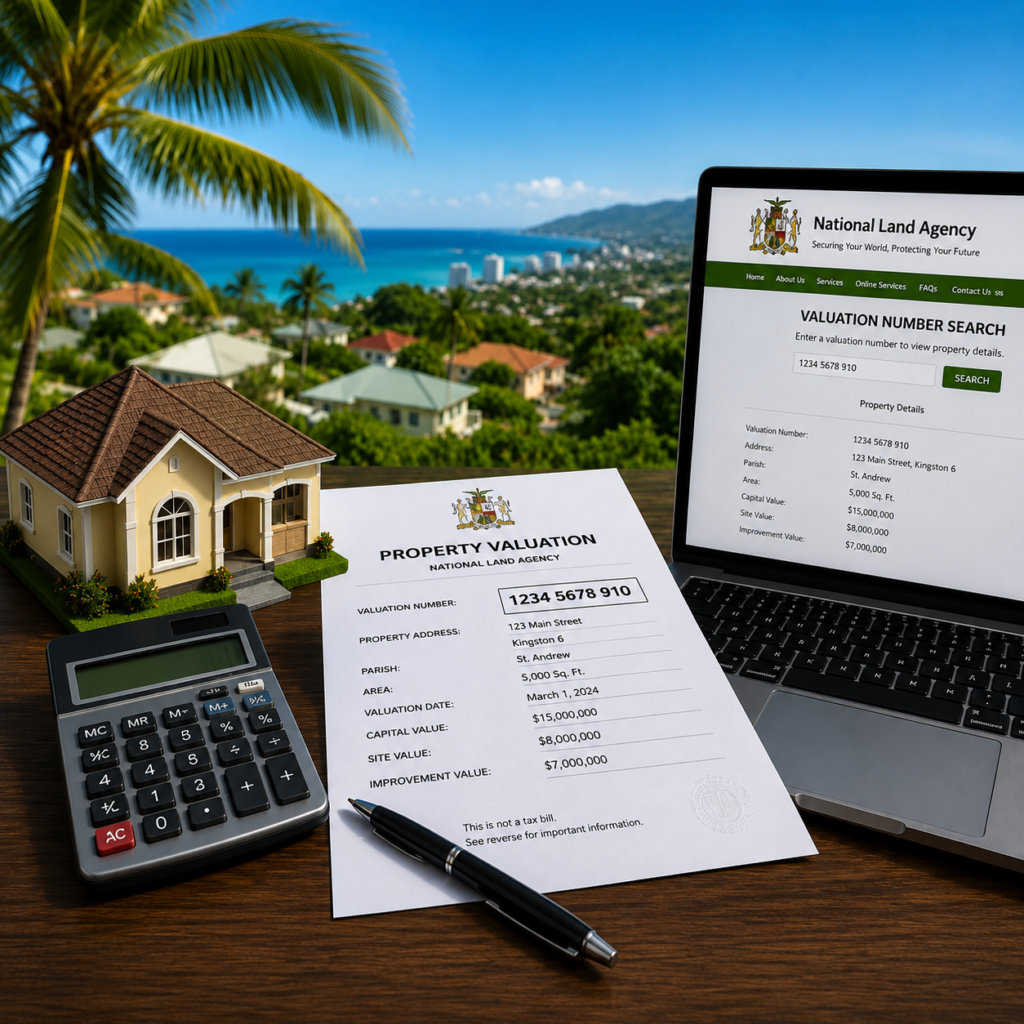
- Valuation number and property tax information
- Utility transfer or application confirmations
- Any written communication related to the purchase
If your title is still being processed, ask your attorney what has already been submitted, what is still pending, and when you should expect an update.
This is not the time to be shy. Ask questions.
A simple email saying, “Can you confirm which post-closing documents I should now have in my possession?” can save you confusion later
2. Check the Title Transfer and Property Details
Once the transaction is complete, confirm that the title transfer process was properly handled through the National Land Agency.
Check that your name is spelled correctly. Make sure the correct parish, lot information, Volume and Folio numbers, and property details are reflected on the paperwork.
Small errors can become big headaches later, especially if you are overseas and trying to fix everything by email, WhatsApp, or through a relative.
If anything looks wrong, raise it with your attorney immediately.
Waiting until you are trying to sell, build, transfer utilities, or prove ownership years later can make the problem harder to fix.
Check out
National Land Agency” to the official NLA website or NLA land/title information page.
3. Update the Valuation Roll With TR1 Forms
This is one of the steps many new owners do not realize is separate from the title transfer.
In Jamaica, updating ownership or possession on the Valuation Roll requires TR1 Notice of Change of Possession forms.
In plain English, this is the process that helps update property tax records so the government’s valuation/property tax system reflects the change in ownership or possession.
The National Land Agency says two completed TR1 forms are required:
- One completed by the buyer
- One completed by the seller
The signatures must be witnessed by a Justice of the Peace or Collector of Taxes.
If you live overseas, ask your attorney or the NLA directly how your TR1 paperwork should be handled from abroad, especially if a Power of Attorney, courier, representative, or special witnessing process is involved.
This step matters because property tax records may still show the previous owner’s information if the Valuation Roll has not been updated.
Related Article:
How to Find Jamaica Valuation Number Online
4. Check the Property Tax Account
Property tax in Jamaica is due every year starting April 1. It may be paid annually, semi-annually, or quarterly. First payments made after April 30 may attract a 10% penalty.
After buying property, check the property tax account as soon as possible.
You want to confirm:
- The correct valuation number
- The correct property details
- Whether any arrears were cleared at closing
- Whether the tax account still shows the previous owner
- When the next payment is due
- Whether you can pay online from abroad
The tax record may not update at the same pace as the sale. So take the extra step and check it yourself.
Also remember this clearly: paying property tax does not replace proper ownership documents. A tax receipt is important, but your ownership still needs to be supported by the correct legal paperwork.
Related Article
Pay online from abroad” to: How to Pay Jamaican Property Taxes Online From Overseas
5. Inspect the Property After Closing
If you are able to travel to Jamaica, visit the property after closing.
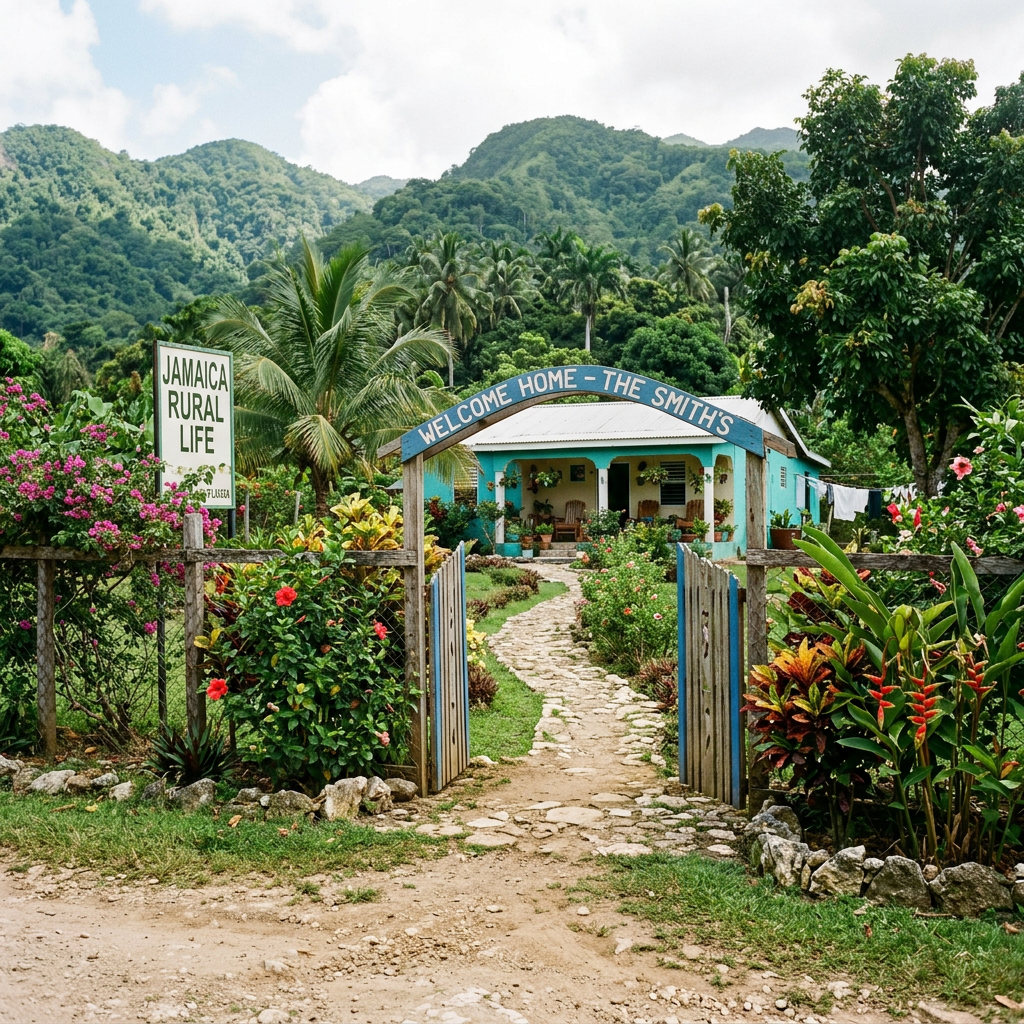
Walk the land. Look at the house. Check the gate, road, fence, boundaries, structures, and surrounding area. Take your time.
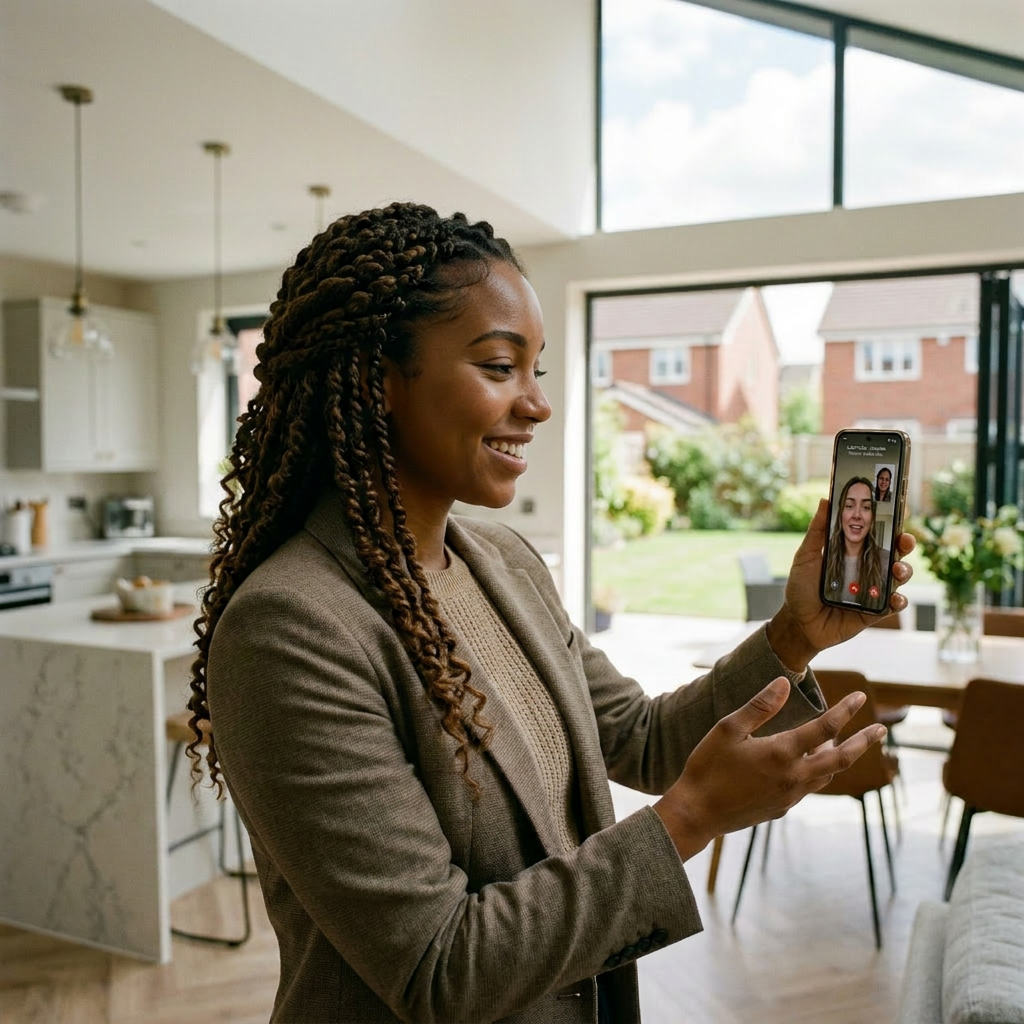
If you cannot travel right away, ask someone you trust to do a video walkthrough with you. Depending on the value and condition of the property, you may also want to hire someone qualified to inspect it.
Look for:
- Missing or damaged boundary markers
- A neighbor’s fence crossing the property line
- Informal footpaths through the land
- Unauthorized structures
- Dumping or debris
- Signs that someone is using the land
- Overgrown bush that makes the property look abandoned
- Access road problems
- Water or drainage issues
- Damage that happened between viewing and closing
The point is not to panic. The point is to know what you actually own and what condition it is in.
6. Review Boundaries and Access
In Jamaica, old fences, hedges, informal paths, and “everybody knows where the line is” are not enough.
You need to understand the legal boundaries of your property.
Review the surveyor’s diagram or survey report, if you have one. Check the physical boundary markers. If the land is rural, hilly, family-related, or surrounded by neighbors, this becomes even more important.
Pay special attention to access.
Ask:
- Is there a legal access road?
- Is the property landlocked?
- Is the road public, private, shared, or informal?
- Does anyone else use the road?
- Is access blocked during rainy weather?
- Are neighbors disputing where the boundary begins or ends?
If boundary markers are missing, damaged, or disputed, do not guess. Contact a registered land surveyor.
Guessing boundaries is how small problems turn into long disputes.
Related Articles:
Understanding Family Land in Jamaica
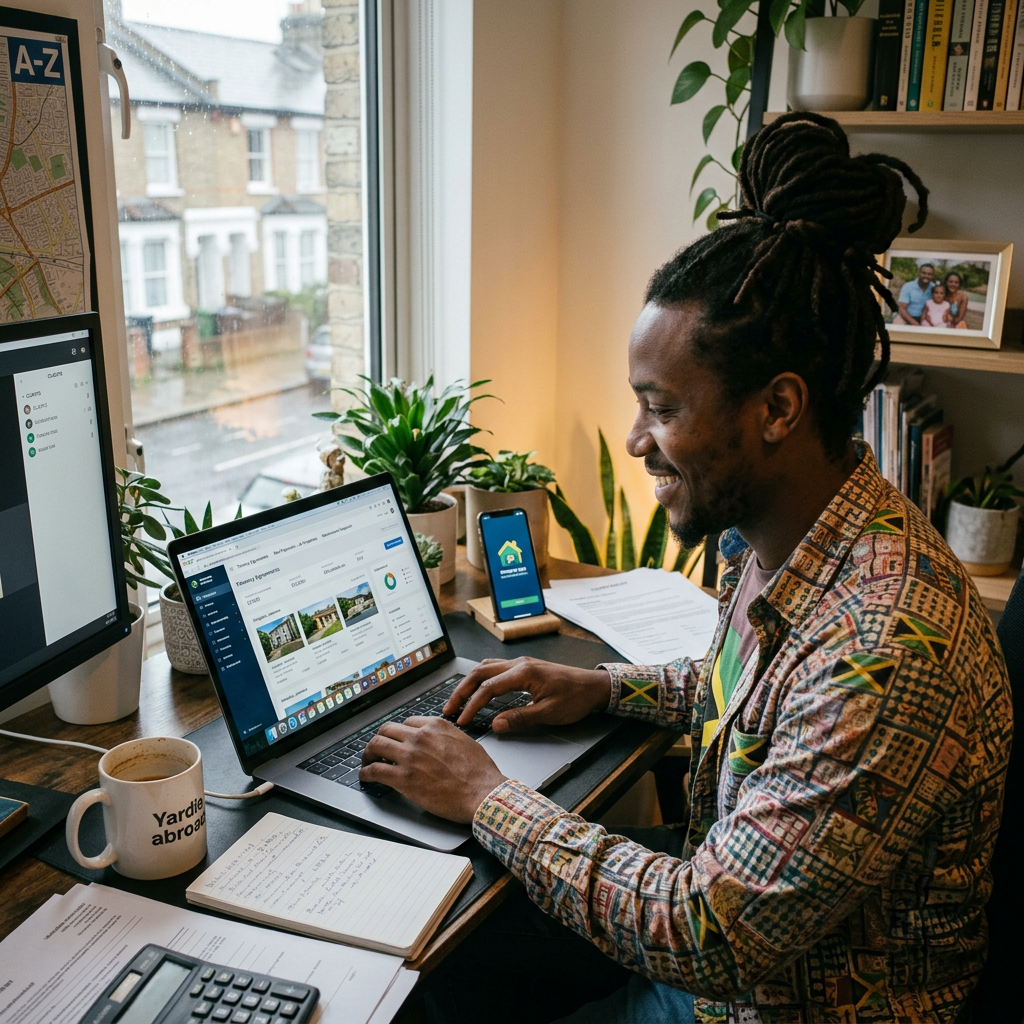
7. Set Up a Monitoring System From Abroad
A property in Jamaica needs eyes on it.
This is especially true if the land or house will sit vacant for long periods while you live overseas.
You may use:
- A trusted relative
- A paid caretaker
- A property manager
- A neighbor who checks in
- A local professional who sends reports
But the arrangement should be clear.
Ask your property contact to send regular updates with dated images, short videos, notes about the condition of the property, and receipts for any paid work.
Create a schedule.
For example:
- Vacant land: monthly or every other month
- House under renovation: weekly or biweekly
- Rented property: based on lease and management agreement
- Family-occupied property: still check regularly and keep records
The exact schedule depends on the property, but “whenever somebody remembers” is not a system.
Related Articles:
Protecting Jamaican Property From Overseas
8. Be Careful With Informal Arrangements
This is where many Jamaicans abroad get themselves into trouble.
Someone says:
“Let me stay there until you come back.”
“I’ll watch it for you.”
“I’ll plant a little something on the land.”
“I’ll keep the place clean.”
“I’m family. You don’t need paperwork.”
Be careful.
Not every person has bad intentions. But vague arrangements can create confusion later, especially when years pass, relatives change, money is spent, and people start feeling entitled.
If someone is staying on the property, farming the land, storing things there, keeping animals there, or acting as a caretaker, get the arrangement in writing.
A written agreement should make clear:
- Who owns the property
- Why the person is allowed to be there
- What they are allowed to do
- What they are not allowed to do
- Whether they are being paid
- Whether they can invite anyone else to stay
- How the arrangement can end
- That they do not have ownership rights
For anything long-term, speak with a Jamaican attorney.
This is especially important with family land, vacant land, inherited property, or property where relatives already believe they have a claim.
Related article:
Understanding Family Land in Jamaica
9. Understand the Risk of Squatting and Informal Occupation
When you own property in Jamaica but live overseas, you have to be honest about one thing: land that looks abandoned can attract problems.
That does not mean you need to panic. It means you need to stay visible as the owner.
In Jamaica, people often talk about adverse possession in connection with a 12-year period for private land. But this is not as simple as someone staying on land for 12 years and automatically becoming the owner.
How it plays out depends on the specific situation. Who was on the land? Did they have permission? Was the owner checking on the property? Was the land being maintained? Were there written agreements? Was the person acting like an owner or simply helping out?
That is why you should not try to guess your way through this.
If someone is living on your property, farming it, storing things there, or acting as a caretaker, put the arrangement in writing. If the situation feels unclear, speak with a Jamaican attorney early.
Practical steps that may help protect your property include:
- Regular inspections
- Keeping the land cleared
- Fencing where appropriate
- Posting “Private Property” or “No Trespassing” signs where appropriate
- Keeping written permission records
- Using formal caretaker agreements
- Acting quickly if someone enters or builds on the land without permission
- Getting legal advice before a small issue turns into a bigger dispute
The goal is not to treat everybody like a threat. The goal is to avoid confusion later.
10. Handle Utilities Properly
If the property has electricity or water — or if you plan to connect service later — deal with the utility accounts directly.
For electricity, Jamaica Public Service allows customers to apply for new service, transfer service, or request upgrades. Some service requests can be started through the MyJPS app or online portal.
For water, the National Water Commission has its own transfer-of-ownership process. Be ready with proof of ownership, and keep your Volume and Folio numbers close because those details may be needed.
Utility steps can vary depending on the property.
For example:
- Is there already an active account?
- Is the account still in the previous owner’s name?
- Are there outstanding balances?
- Is the property newly built?
- Is the property rural or undeveloped?
- Does the meter need reconnection?
- Are documents required online, in person, or through a representative?
Do not assume utilities transfer automatically because the property was sold.
Confirm the current requirements directly with JPS and NWC before you make plans around electricity or water service.
Check out:
Jamaica Public Service
National Water Commission
11. Create a Maintenance Plan
Even vacant land needs maintenance.
A house needs more.
Your maintenance plan should cover:
- Bush clearing
- Fence repairs
- Gate and lock checks
- Roof and gutter checks
- Plumbing issues
- Electrical issues
- Pest control
- Water tank checks
- Yard care
- Security checks
- Storm preparation
- Emergency repair funds
Keep receipts for everything.
If you send money for repairs, ask for proof before and after the work is done. A simple folder with invoices, messages, payment confirmations, and before-and-after images can save you from confusion later.
Not because you distrust everybody.
Because memory is not a filing system.
Related article
The Jamaican Overseas Homeowner Checklist
Building a Home in Jamaica: Costs and Considerations for 2026
12. Know Who to Call
Different problems need different professionals.
A Jamaican attorney can help with title issues, family disputes, caretaker agreements, Power of Attorney, adverse possession concerns, or unclear ownership questions.
A registered land surveyor can help with boundaries, access roads, encroachments, and survey plans.
The National Land Agency can assist with land records, title-related matters, TR1 forms, and Valuation Roll updates.
Tax Administration Jamaica or the relevant local authority can help with property tax balances, penalties, and payment questions.
JPS and NWC can help with electricity and water applications, transfers, and account issues.
A property manager or caretaker can help with routine monitoring, maintenance coordination, and reporting from the ground.
Do not ask one person to do everything unless they are actually qualified for that job.
Common Mistakes to Avoid After Buying Property in Jamaica
Here are some of the biggest mistakes overseas owners make after purchasing property:
- Assuming the attorney handles everything after closing
- Not asking for copies of important documents
- Not checking whether the Valuation Roll was updated
- Forgetting about property tax deadlines
- Letting land sit for years without monitoring
- Allowing relatives or caretakers to stay without anything in writing
- Trusting old fences instead of confirming boundaries
- Ignoring access road issues
- Sending money for work without receipts
- Not checking utilities
- Waiting too long to act when someone is using the land
- Believing property tax payments alone prove ownership
The goal is not to live in fear.
The goal is to stay organized.
Island Breeze Perspective
Owning property in Jamaica from abroad is a beautiful thing, but it asks something of you.
It asks you to stay connected.
Not just emotionally, but practically.
The land may be in Jamaica, but the responsibility follows you wherever you live. It follows you to Florida, New York, Toronto, London, Birmingham, Atlanta, or wherever life has carried you.
That means keeping records. Asking questions. Checking the tax account. Calling the attorney when something does not look right. Sending someone to walk the property. Making sure “family help” does not turn into confusion later.
It is not glamorous work.
But it is the work that protects what you bought.
Because buying property is one thing.
Keeping it secure, documented, and properly managed from abroad is the real long game.
FAQ
Do I need to do anything after my attorney completes the property transfer?
Yes. Ask your attorney what has been completed and what still needs follow-up. You may still need to check the Valuation Roll, property tax account, utilities, boundaries, and physical condition of the property.
What is the TR1 form in Jamaica?
The TR1 Notice of Change of Possession form is used to help update ownership or possession details on the Valuation Roll. The NLA requires forms from both the buyer and seller, with signatures witnessed by a Justice of the Peace or Collector of Taxes.
When is property tax due in Jamaica?
Property tax is due April 1 each year. It may be paid in full, semi-annually, or quarterly. First payments made after April 30 may attract a 10% penalty.
Can I pay Jamaican property tax from overseas?
In many cases, property tax can be checked and paid online. You should confirm your valuation number, property details, and current balance through the appropriate Jamaican tax channels.
Can a family member or caretaker claim my land if they stay there for years?
There is no simple yes or no answer here. Long-term informal occupation can create legal risk, especially if the owner is not checking the property, maintaining control, or documenting permission. If someone will be staying on or using the property, speak with a Jamaican attorney and put the arrangement in writing.
Does paying property tax prove I own the land?
No. Property tax receipts are important records, but they do not replace your title documents. Keep your tax payments current, but also keep your Certificate of Title and legal paperwork safely stored.
What should I do if someone is using my land without permission?
Start by documenting what you found. Save photos, videos, dates, messages, and any details about what is happening on the property. Avoid confrontation. Contact a Jamaican attorney, and if boundaries are involved, speak with a registered land surveyor.
Should I hire someone to watch my property?
If you live overseas and the property is vacant or under construction, having a trusted person, caretaker, or property manager check on it regularly can be helpful. Put the duties and limits of the arrangement in writing.
Disclaimer
This article is for general informational purposes only. It is not legal, financial, tax, or professional property advice. Jamaican property laws, agency procedures, tax rules, utility requirements, and land-related processes can change. Always confirm current requirements with the relevant Jamaican agency or a qualified professional before making decisions about your property.