Before You Leave Your Jamaica Property With Someone, Read This
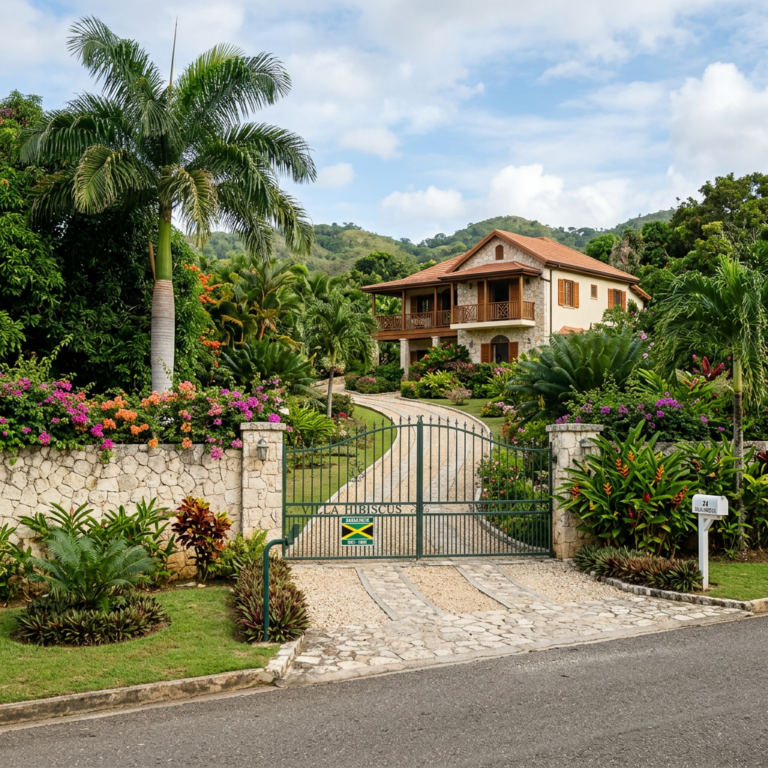
There is a special kind of pride that comes with owning property in Jamaica.
Maybe it is a house you built after years of working overseas. Maybe it is land you inherited from family. Maybe it is a place you hope to retire to one day. Whatever the story, that property is more than an address. It is sacrifice, memory, and a piece of home.
But when you live in the U.S., Canada, the UK, or anywhere else overseas, owning property in Jamaica also comes with one hard truth:
You cannot protect what no one is checking.
Many Jamaicans abroad do what feels natural. They ask a relative, neighbor, family friend, or someone from the community to “keep an eye on the place.”
And sometimes that works.
But sometimes, “keeping an eye on it” means one person thinks they are doing a quick drive-by once in a while, while you think they are checking locks, watching boundaries, reporting damage, and making sure no one is using the land without permission.
That gap can cost you.
Before you leave your Jamaica property in someone else’s care, you need more than trust. You need clear expectations, written duties, regular updates, and proof that the property is actually being watched.
Why “Somebody Keeping an Eye on It” Is Not Enough
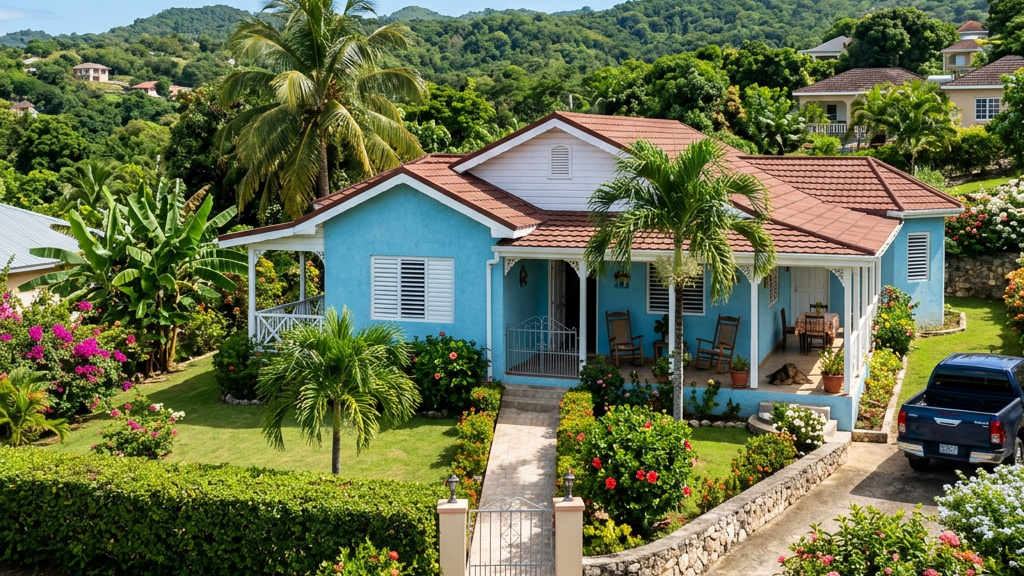
“Somebody keeping an eye on it” sounds simple.
But what does that actually mean?
Does it mean they walk around the property once a month?
Do they check inside the house?
Do they look for leaks, broken windows, overgrowth, or signs of trespassing?
Do they send photos?
Do they check after heavy rain or storms?
Do they tell you if someone is using the land?
If you never define the job, people will define it for themselves.
And that is where trouble starts.
Family trust is valuable, but trust is not the same as responsibility. A good person can still be disorganized. A caring relative can still forget. A neighbor may be willing to help but may not understand what you need from overseas.
The goal is not to make everything cold or suspicious. The goal is to avoid confusion before it becomes conflict.
What Can Go Wrong When No One Is Properly Watching
A vacant or lightly occupied property can develop problems slowly. It is not always one big dramatic event. Sometimes it is a chain of small issues that no one catches early.
Common problems include:
- Trespassing or unauthorized use: Someone may start using the land for farming, storage, parking, animals, or access without permission.
- Squatting or informal occupation: Empty homes and unused land can attract people who assume no one is paying attention.
- Weather damage: A small roof leak, broken window, or water problem can become expensive if it sits for months.
- Theft or vandalism: Empty properties can become targets, especially if there are signs that no one visits regularly.
- Boundary issues: A neighbor may move a fence, clear land, start building too close, or create a path across your property.
- Overgrowth and neglect: Bush, fallen trees, pests, and blocked drains can create bigger maintenance problems.
- Family conflict: On family land or inherited property, different relatives may have different ideas about who is “in charge.”
When you live overseas, you may not know something is wrong until the situation has already grown teeth.
That is why a property watcher needs a real role, not just a casual promise.
What a Property Watcher or Caretaker Should Actually Do
A property watcher should be your eyes and ears on the ground.
That does not mean they own the property.
It does not mean they can rent it out.
It does not mean they can let people stay there.
It does not mean they can make legal or financial decisions for you.
Their role should be narrow and clear.
A basic property watcher may be responsible for:
- Checking the property on a regular schedule
- Walking around the outside of the house or land
- Checking doors, windows, gates, locks, and fencing
- Looking for leaks, broken glass, roof damage, or signs of forced entry
- Watching for overgrowth, dumping, animals, pests, or blocked drains
- Noticing if anyone is using the land without permission
- Reporting boundary concerns or nearby construction
- Sending dated photos or short videos after each visit
- Alerting you quickly after storms, break-ins, or urgent issues
- Keeping receipts for any approved expenses
The key is this:
They are watching and reporting. They are not taking over.
Family Member, Neighbor, Caretaker, or Property Manager?
The right person depends on the property and the level of responsibility needed.
Family member or friend
A family member or trusted friend may be a good option if the property only needs light monitoring.
Pros:
They know you, they may already know the property, and there is usually an existing relationship.
Cons:
It can be harder to hold family accountable. If money, repairs, or access become involved, the relationship can get tense quickly.
Family can be helpful, but family alone is not a management plan.
Neighbor
A neighbor can be useful because they are nearby and may notice changes quickly.
Pros:
They can spot obvious issues such as an open gate, strange vehicle, broken window, or overgrown entrance.
Cons:
They may not be able to inspect inside, manage repairs, handle documents, or deal with anything official.
A neighbor may be good for quick alerts, but not always for full oversight.
Paid caretaker or property manager
A paid caretaker or property manager may be better if the property is vacant long-term, rented, under repair, or needs consistent oversight.
Pros:
The arrangement can be more formal, with clear duties, payment, and accountability.
Cons:
It costs money, and you still need to choose carefully.
This option may make sense if the property has tenants, active renovations, regular maintenance needs, or no reliable family nearby.
Jamaican attorney-at-law
A Jamaican attorney is not a property watcher, but they may be needed when legal issues are involved.
Use an attorney when you are dealing with:
- Land title issues
- Sale or transfer of property
- Estate or inheritance matters
- Family land disputes
- Caveats or boundary concerns
- Power of Attorney documents
- Rental agreements or legal notices
A watcher can check the gate.
An attorney handles legal authority.
Do not mix those two roles unless proper documents are in place.
Questions to Ask Before You Trust Someone
Before giving someone keys or responsibility, have a real conversation.
Ask:
- How often can you physically check the property?
- Can you go inside the house, or only check from outside?
- How close do you live to the property?
- Are you able to check after heavy rain, storms, or security concerns?
- Will you send dated photos or short videos after each visit?
- What exactly will you check during each visit?
- Who will you call if there is a break-in, leak, fallen tree, or other emergency?
- Are you comfortable keeping receipts for any approved expenses?
- Do you understand that no one can stay on, farm, rent, or alter the property without my written permission?
- Are you willing to put the arrangement in writing?
That last question matters.
If someone gets offended because you want things written down, pay attention.
Clear expectations are not disrespect. They are protection.
What to Put in Writing, Even for Family
You do not need a complicated legal document for a simple property-watching arrangement, but you do need something clear.
Even if the person is family, write down the basics.
Include:
- Property address or clear property description
- Name of the person watching the property
- What they are expected to check
- How often they should visit
- Whether they can enter the house or only inspect outside
- How and when they should send updates
- What counts as an emergency
- Who they should contact in an emergency
- Whether they will be paid or reimbursed
- Spending limits for small repairs
- What requires your approval first
- A clear statement that they cannot allow anyone to live there, farm there, rent it, alter it, or use it without your written permission
This is not about treating family like strangers.
It is about preventing the famous “but I thought…” problem.
Because once money is spent, locks are changed, land is used, or someone moves in, the conversation becomes much harder.
Related Articles:
What to Do After Buying Property in Jamaica From Abroad
How to Buy Property in Jamaica From Abroad
How Often Should They Send Updates?
For an empty house, a monthly physical check is a reasonable baseline.
But some situations need more frequent updates.
Ask for immediate updates after:
- Heavy rain or storms
- Hurricanes or tropical storm warnings
- Earthquakes
- Break-ins or attempted break-ins
- Nearby construction
- Boundary concerns
- Utility problems
- Reports from neighbors
- Any sign that someone entered or used the property
For active repairs, construction, rental activity, or land disputes, monthly updates may not be enough. Weekly or biweekly updates may be more practical until the situation settles.
The update should not just be “everything good.”
Ask for:
- Dated photos
- Short walk-through videos
- Notes on what was checked
- Photos of locks, gates, doors, windows, roof, yard, boundaries, and any problem areas
- Receipts for approved expenses
- Screenshots or copies of any notices received
You are not trying to micromanage. You are creating a record.
And when you live overseas, records matter.
Records You Should Keep From Overseas
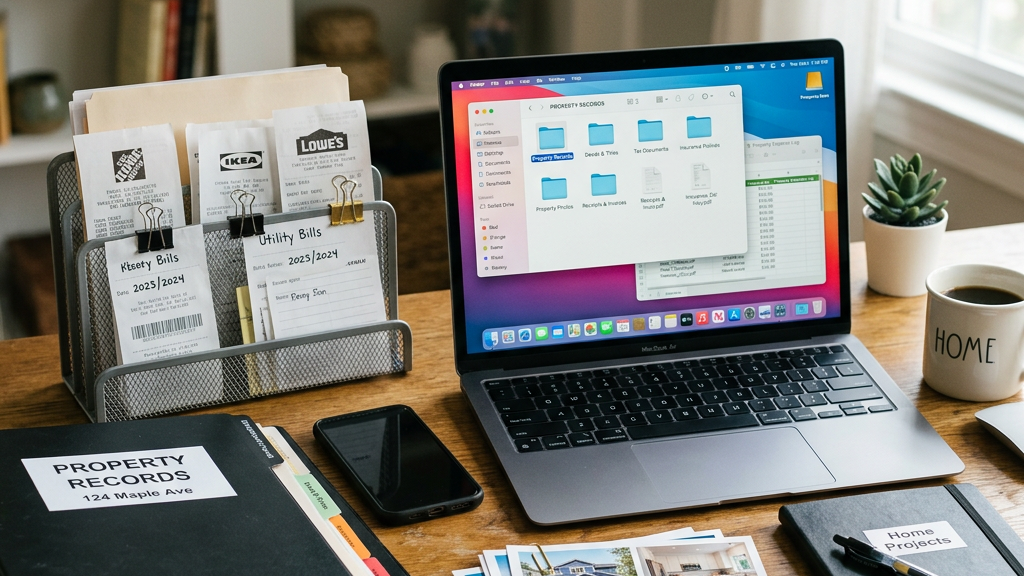
Do not leave everything in WhatsApp messages.
Set up a secure digital folder for your Jamaica property. Google Drive, Dropbox, iCloud, or another organized system is fine.
Keep copies of:
- Land title documents or title search records
- Survey diagrams
- Property tax receipts
- Utility bills
- Insurance documents, if applicable
- Caretaker agreement
- Contact information for the watcher, neighbors, attorney, and repair people
- Photos and videos of the property’s condition
- Receipts for repairs or maintenance
- Messages approving expenses
- Key list or access list
- Any Power of Attorney or authorization letters
Also keep “before” photos of the property.
If something changes later, you want proof of what the house, land, fence, boundary, gate, and yard looked like before.
Check Out: TAJ property tax payment page.
Be Careful With Power of Attorney
A Power of Attorney, often called a POA, is not the same as asking someone to check your property.
It is a legal document that can give another person authority to act on your behalf. Depending on how it is written, that authority may be limited or broad.
That is why you should never sign a Power of Attorney casually.
Before giving anyone POA for Jamaican property matters:
- Speak with a Jamaican attorney-at-law.
- Make sure the document is specific.
- Avoid giving broader authority than necessary.
- Understand exactly what the person can and cannot do.
- Confirm how it must be signed, stamped, witnessed, registered, or deposited for Jamaican property matters.
- Keep copies of everything.
- Review whether the POA should expire after the specific task is complete.
For simple tasks, such as opening a gate for a contractor, a limited written authorization may be more appropriate than a Power of Attorney.
Do not give someone legal power when all they need is permission to meet the plumber.
Warning Signs and Red Flags
Pay close attention to how the person communicates.
A person may not be the right fit if they:
- Get defensive when you ask for photos or receipts
- Keep saying “everything good” but never send proof
- Ask for money often without clear receipts
- Delay updates repeatedly
- Refuse to put the arrangement in writing
- Let other relatives use the property without asking you
- Act like they are the owner
- Avoid direct questions
- Claim documents are “with the lawyer” but will not show copies
- Pressure you to send money quickly
- Tell you not to involve an attorney
- Get offended by basic accountability
A trustworthy person may not be perfect, but they should not be allergic to transparency.
If someone cannot handle clear expectations, they may not be the person to watch your property.
When to Use a Paid Professional
A relative or neighbor may be fine for basic checks.
But some situations call for professional help.
Consider a paid property manager or Jamaican attorney if:
- The property will be vacant for a long time
- You do not visit Jamaica often
- The property is rented or will be rented
- Repairs or renovations are ongoing
- The land is part of an estate
- There are title issues
- There are family disputes
- There are boundary concerns
- Someone has already tried to use or occupy the land
- Large amounts of money are involved
A professional may cost more, but confusion can cost more than that.
If legal authority, estate matters, title documents, or property transfers are involved, use a Jamaican attorney-at-law. For property maintenance, rentals, and physical oversight, a property manager may be the better fit.
Island Breeze Jamaica Perspective
For Jamaicans abroad, leaving property in someone else’s care is not just a practical decision. It is emotional.
You may not want to offend family. You may not want people to think you are acting “foreign.” You may feel guilty asking for receipts or photos from someone you love.
But protecting your property is not disrespect.
You worked hard for it.
You inherited it.
You are trying to preserve it.
You are trying to avoid confusion before it becomes a family war.The safest arrangement is usually simple:
A trusted person for routine checks.
Written expectations for accountability.
Photos and records for proof.
A Jamaican attorney for legal matters.
A paid professional when the property needs more than a favor.Do not leave your Jamaica property to vibes and WhatsApp promises.
Put a system around it.
Frequently Asked Questions
Can a caretaker claim ownership of my Jamaican land if they watch it for years?
This is a serious legal question and depends on the facts. In general, a person who is clearly on the property with your permission as a caretaker is in a different position from someone claiming they occupied land as their own.
That is one reason a written caretaker agreement is important. It can help show that the person is there with permission and limited duties.
However, do not rely on this article alone for legal protection. If someone has been occupying, using, farming, or controlling your land for a long time, speak with a Jamaican attorney-at-law.
Can I pay my Jamaica property taxes myself from overseas?
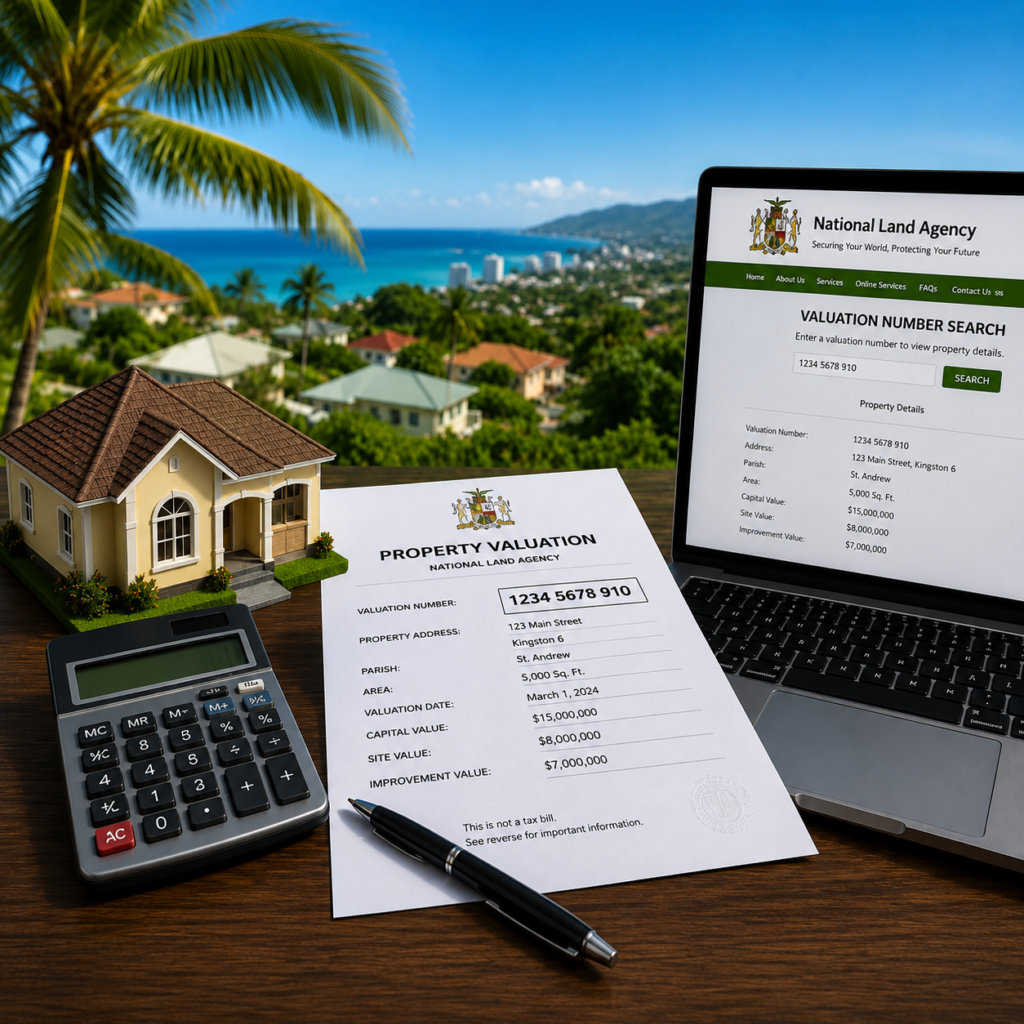
Yes, many property owners can check and pay property taxes online through official Jamaican tax services, depending on the information they have available, such as the valuation number.
This is usually better than sending cash to someone without proof. Always keep your receipts.
Should I give my caretaker Power of Attorney?
Not for basic property watching.
A caretaker does not need Power of Attorney just to check locks, send photos, or report damage. A POA should only be considered when legal or official actions are needed, and it should be prepared with advice from a Jamaican attorney-at-law.
For simple access, a limited written authorization may be enough.
What should my property watcher send after each visit?
Ask for dated photos or a short video showing the gate, yard, doors, windows, roof area, boundary points, and any areas of concern.
They should also send a short written note saying what they checked and whether anything needs attention.
Is a family member better than a paid property manager?
Not always.
A family member may be trustworthy and close by, but they may not have the time, organization, or willingness to provide regular updates. A paid manager may be better for rental properties, repairs, long absences, or complicated situations.
Choose based on reliability, accountability, and the needs of the property — not just family connection.
What if the person watching my property refuses to send photos or receipts?
That is a red flag.
You do not need to argue. Revisit the agreement, clarify expectations, and consider choosing someone else. If money, documents, tenants, title issues, or access disputes are involved, speak with a Jamaican attorney.
Disclaimer
This article is for general informational and educational purposes only and does not constitute legal, financial, real estate, or professional property management advice. Property laws, tax procedures, Power of Attorney requirements, and agency processes in Jamaica may change. Before signing legal documents, appointing representatives, transferring authority, renting, selling, building on, or investing money into Jamaican property, consult a licensed Jamaican attorney-at-law or qualified professional.