Last Verified: June 2026
Reader Note: Jamaican government processes, portal features, contact numbers, fees, due dates, and agency requirements can change. Always double-check details directly with the relevant agency, such as Tax Administration Jamaica, the National Land Agency, JPS, NWC, or a qualified Jamaican professional before making decisions.
You bought the property. Or maybe you inherited it. Maybe it was your parents’ yard — the house where everyone gathered at Christmas — and now you are the one trying to look after it from thousands of miles away.
Managing property in Jamaica from overseas is possible. Many diaspora homeowners do it successfully. But it works best when you have one thing in place: organization.
When you live in the U.S., Canada, the UK, or anywhere else abroad, Jamaican property matters can easily slip into the background. Property taxes may go unpaid because no one checked the balance. A utility account may fall behind because no one is monitoring the bills. A title question may come up, and suddenly no one can find the paperwork. A family disagreement may start because an arrangement was never written down.
This checklist is here to help you stay on top of the main things that matter. Not with heavy legal language. Not with scare tactics. Just a clear yearly review for overseas homeowners who want to protect their property, reduce confusion, and keep better records.
Think of it as your annual property check-in.
What This Checklist Helps You Review
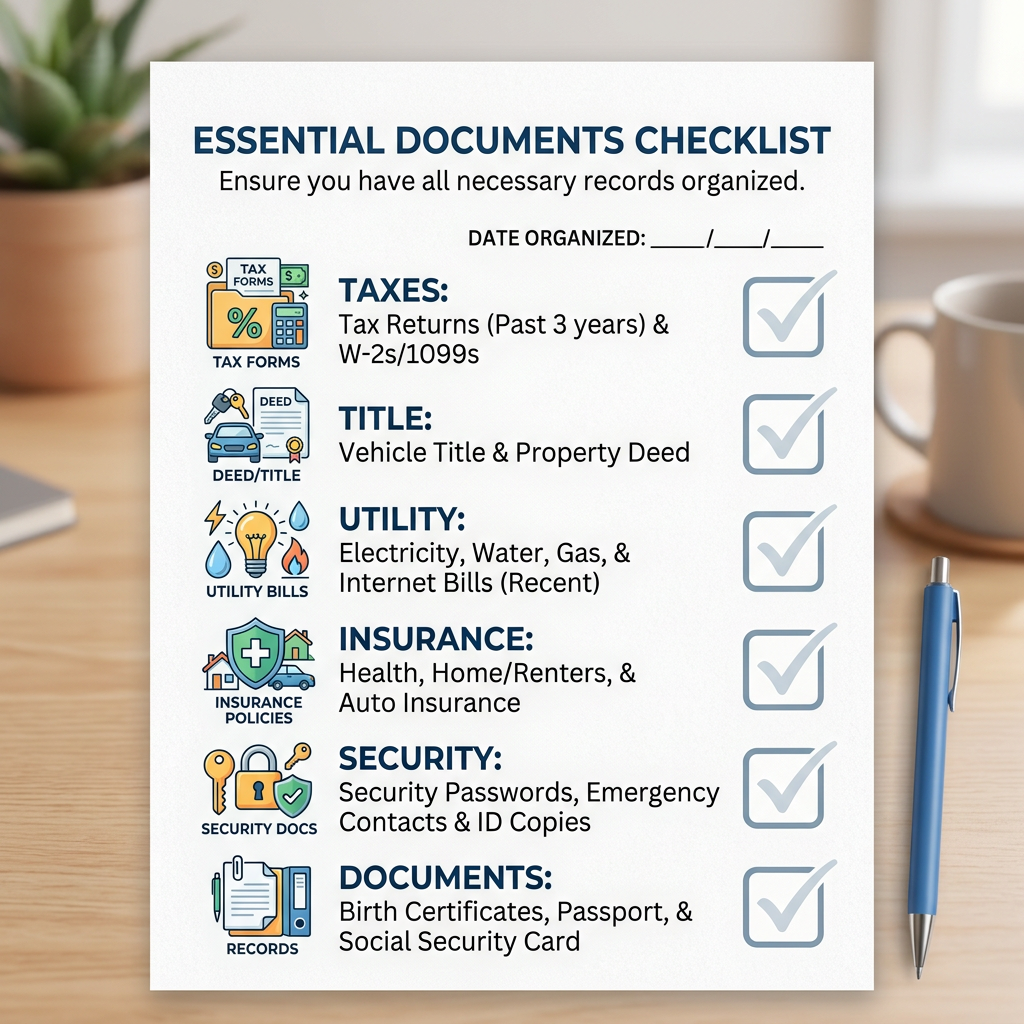
If you own property in Jamaica and live abroad, here are the ten areas you should review at least once a year:
- Property tax payments and status
- Your valuation number
- Certificate of Title and ownership records
- Utility accounts
- Your local contact person or caretaker
- Property insurance
- Security and physical condition of the property
- Family access and any written arrangements
- Estate planning and succession documents
- Your property file — one organized place to keep everything
You do not need to be a lawyer or a government expert to stay organized. You just need a simple system and the habit of checking it regularly.
Here is the honest truth: distance creates gaps. When you are not in Jamaica regularly, small issues can grow before you even know they exist.
Property taxes can build up quietly. A person may start using the property without clear permission. A title issue may sit unresolved for years because the paperwork is scattered across relatives, drawers, phones, and countries. An insurance policy may lapse while everyone assumes someone else is handling it.
None of this is guaranteed to happen. But it is common enough that overseas homeowners should take it seriously, especially when the property was inherited, shared by family, or left vacant for long periods.
The goal of this checklist is not to frighten you. It is to give you a simple routine so you can stay aware, stay organized, and protect a property that matters to you.
The Annual Jamaican Overseas Homeowner Checklist
1. Property Tax: Know What You Owe and When It’s Due
Property tax in Jamaica is based on the unimproved value of the land, with valuations handled through the National Land Agency (NLA). The tax system is administered by Tax Administration Jamaica (TAJ). Property tax is due on April 1st each year and may be paid in installments.
What to check:
- Is your property tax current? Log in to the official TAJ Tax Portal (
jamaicatax.gov.jm) or use the TAJ mobile app to confirm your balance. - Is your property listed under the correct ownership name? If ownership has changed through inheritance, sale, or transfer, the tax records should eventually reflect the correct owner.
- Are you set up to pay online? The TAJ portal allows users to create an account, log in securely, and make payments online, including from overseas.
- If taxes are overdue, check whether any official notices, balances, or late-payment charges are showing on the account.
Practical note: Property taxes in Jamaica may be lower than what many overseas homeowners are used to in places like the U.S., Canada, or the UK, but they still matter. Non-payment can create problems over time. Always save your electronic payment confirmations and receipts in your property file. Since property tax bands can change, make it a habit to check the current information directly on the TAJ portal before paying. For direct account questions, TAJ Customer Care may be reached from abroad at 888-829-4357.
2. Valuation Number: Your Property’s Official Identity
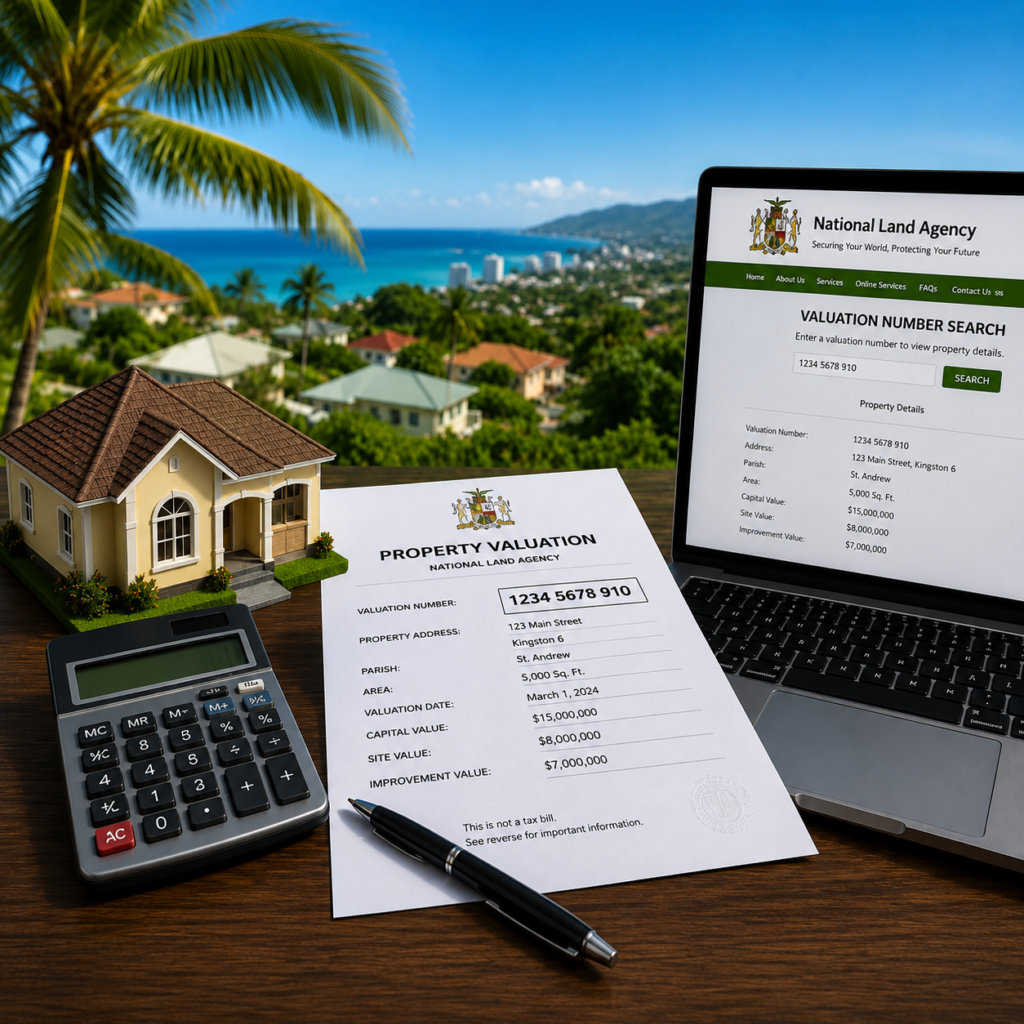
Every property in Jamaica has a unique 11-digit valuation number. This number is connected to your property tax record and is assigned through the National Land Agency’s valuation system.
What to check:
- Do you know your property’s valuation number? One of the easiest ways to find it from abroad is by checking an old property tax receipt or valuation notice.
- Do your records match? Make sure the valuation number on your tax receipt matches the property you are trying to manage.
- If you cannot find your number, contact the NLA or TAJ directly. It helps to have the exact property address, the registered owner’s name, and the title volume and folio numbers if available.
Why it matters: Your valuation number is the key reference used when checking or paying property taxes. If you do not have it, paying online or confirming the right account can become much harder.
3. Certificate of Title: Who Actually Owns the Property on Paper
The Certificate of Title is one of the most important documents for a Jamaican property owner. The NLA’s Land Titles Division handles land title records and related services.
What to check:
- Do you have a copy of the Certificate of Title? The original title is held at the National Land Agency, but you should keep a certified copy or proper copy with your records if possible.
- Is the title in your name? If you inherited the property or received it through family, the title may still be in a deceased relative’s name. That needs to be reviewed through the proper legal process.
- Is the property a registered title property, or is it a family land situation? This matters because family land can involve more complicated ownership and succession questions.
- Are there any encumbrances, caveats, mortgages, or other notes on the title that may affect the property?
Family land note: In Jamaica, “family land” often refers to land passed down through generations without clear individual ownership or formal division. These situations can become complicated when family members want to build, sell, transfer, or develop the property. A Jamaican attorney and the NLA can help you understand what records exist and what steps may be needed.
Important: Island Breeze Jamaica is not a law firm and does not provide legal advice. For title questions, first registration, family land concerns, or property disputes, speak with a licensed Jamaican attorney or visit the National Land Agency’s official site (nla.gov.jm).
4. Utilities: Don’t Let Bills Go Unpaid or Accounts Lapse
Even if no one lives in the property full-time, utility accounts still need to be watched. A bill can fall behind quickly, and service issues may go unnoticed when no one is physically there.
What to check:
- JPS (Jamaica Public Service): Is the electricity account current? Is it in the correct name? JPS offers the MyJPS web portal and mobile app, where customers can view billing history, pay bills, report outages, and manage certain service requests remotely.
- NWC (National Water Commission): Is the water account current? Use NWC’s official customer service channels and online tools to confirm account status and payment options.
- If the property is rented, occupied by family, or watched by a caretaker, make sure there is clarity on who pays utilities.
- Can you receive bills electronically? Setting up email billing and online payments helps reduce your dependence on paper mail or someone in Jamaica forwarding information to you.
Practical note: For long-vacant properties, utilities should either be monitored closely or reviewed for possible temporary suspension, depending on the situation. This helps reduce surprises such as unexplained usage, unpaid balances, or an undetected leak when no one is checking the property regularly.
5. Local Contact Person: Your Eyes and Ears on the Ground
This is one of the most important parts of managing property from abroad. You need someone in Jamaica who can physically check on the property and let you know when something is wrong.
What to check:
- Do you have a reliable local contact person? This may be a trusted relative, neighbor, caretaker, or professional property manager.
- Does that person understand exactly what you expect from them?
- Do they have keys or access only if needed and appropriate?
- Are they responsible for small maintenance issues, or are they only checking and reporting?
- Do you have a backup contact in case your main contact is unavailable?
Practical note: This works best when expectations are written down. If you are paying a caretaker, write out what they are being paid to do, how often they should check the property, and how they should report back to you. Verbal arrangements can work for a while, but they can also create confusion later.
6. Insurance: Protecting a Property You Can’t Watch Daily
Property insurance is especially important for overseas homeowners because you are not always on the island to respond quickly to damage, theft, storms, or other issues.
What to check:
- Does the property have active insurance coverage? Review the policy and confirm what is actually covered.
- Are all premiums current?
- Is the coverage amount still realistic based on the property’s current condition and any improvements made?
- Does the policy cover an unoccupied property? Some insurance policies have special conditions for vacant or unoccupied homes. Review your policy carefully and disclose the property’s actual occupancy status to the insurer.
- If the property is rented or used for business purposes, confirm that the insurance policy reflects that use.
Practical note: Jamaica’s hurricane season runs from June 1st through November 30th each year. Review your coverage before hurricane season begins, especially if the property is vacant or only used part-time.
7. Security and Property Condition: What’s Happening When You’re Not There
A property that looks abandoned or poorly maintained can attract problems. That does not mean you need to panic, but it does mean you need a regular plan for checking the condition of the property.
What to check:
- Does the property look maintained? Overgrown lots, broken gates, damaged fencing, or visible neglect can draw attention.
- Are locks, window grills, boundary fences, and entry points secure?
- Is there a security arrangement in place, such as a caretaker, security company, camera system, lighting, or a trusted neighbor who checks in?
- Has your local contact reported unauthorized entry, squatting concerns, boundary damage, or unusual activity?
- Are the roof, plumbing, walls, foundation, or drainage showing signs of wear that need attention?
Practical note: Ask your local contact for regular updates. Even one monthly photo or short voice note can help you stay aware of what is really happening on the ground.
8. Family Access and Written Agreements: Clear Expectations Prevent Hard Feelings
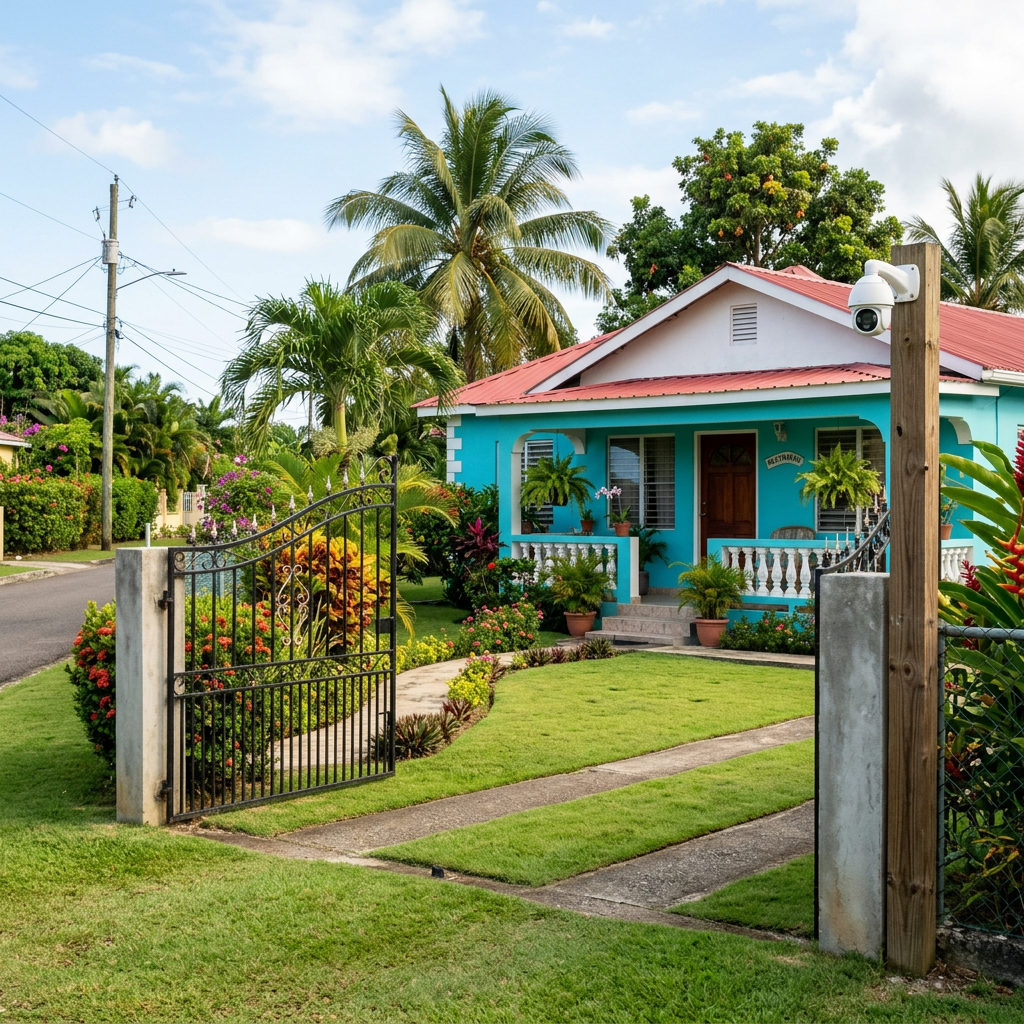
Many Jamaican properties are connected to family history. A house or piece of land may involve siblings, cousins, grandchildren, aunts, uncles, or relatives who feel emotionally connected to it, even if they are not listed on the title.
What to check:
- If family members are living in or using the property, is that arrangement written down anywhere?
- Is everyone clear on who pays for utilities, repairs, yard work, and other ongoing costs?
- If you plan to sell, rent, renovate, or develop the property, have you spoken with relatives who may be affected or who may feel they have a stake in the property?
- Were any past promises made about who could live there, inherit it, or use the land?
Practical note: A written agreement does not always have to be complicated to be useful. Even a simple written summary signed and kept by both sides can prevent confusion. For anything involving legal rights, ownership, tenancy, or transfer, speak with a Jamaican attorney.
9. Estate Planning and Succession: What Happens to the Property After You
This is the section many people avoid, but it matters. If you own property in Jamaica and pass away without clear documents, your family may be left with confusion, delays, and disagreements.
What to check:
- Do you have a valid will that specifically addresses your Jamaican property?
- Are your beneficiaries named clearly and accurately?
- If you own the property with someone else, do you understand what happens if one owner passes away?
- Has your will been reviewed recently to reflect changes in ownership, family relationships, or your wishes?
- Do trusted people know where your important documents are kept?
Estate succession note: If a property owner dies, the estate may need to go through the proper court process before the property can be transferred. Where there is a will, this may involve a Grant of Probate. Where there is no will, it may involve Letters of Administration. For overseas owners, this usually means working with a Jamaican attorney, the executor or administrator, and the NLA when it is time to update title records.
Important: Estate planning and probate in Jamaica involve specific legal steps. Island Breeze Jamaica does not provide legal or estate planning advice. Consult a licensed Jamaican attorney to make sure your wishes are properly documented and legally sound.
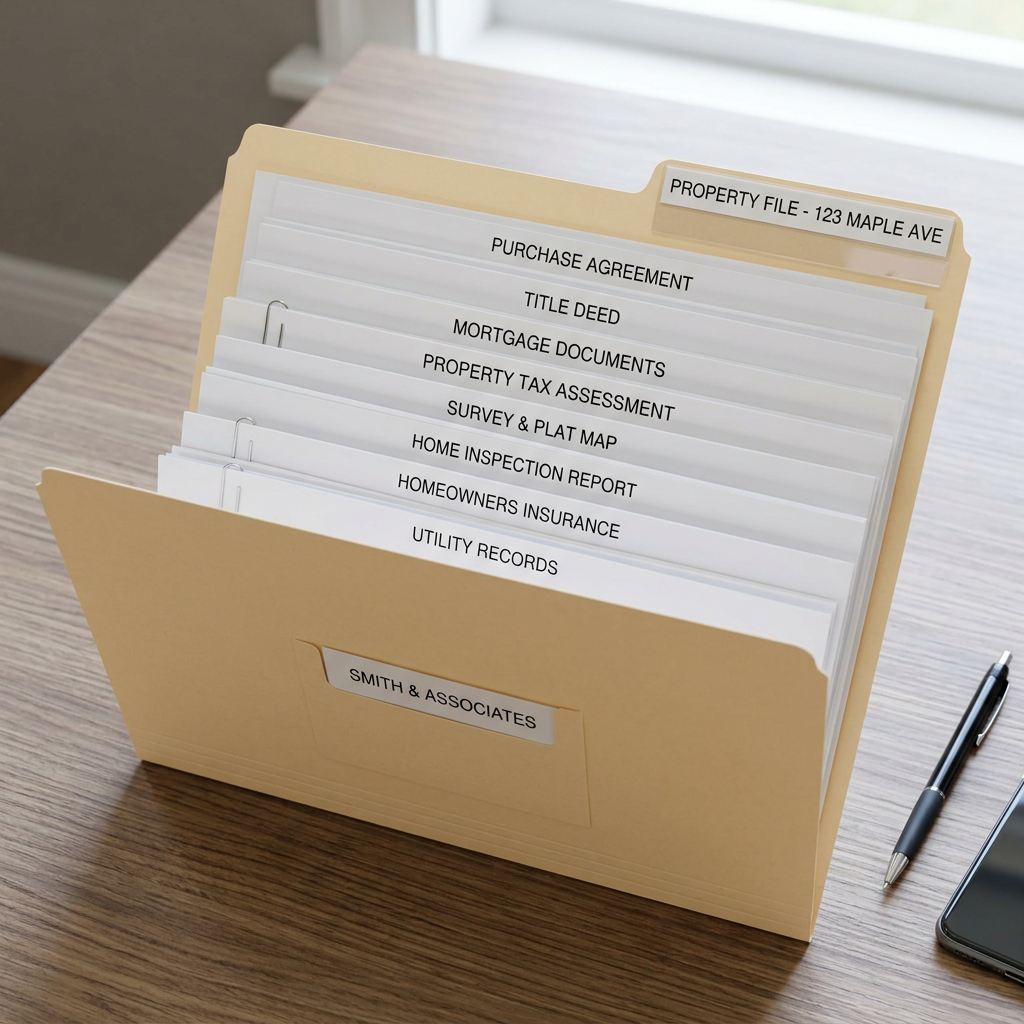
10. Your Property File: One Place for Everything That Matters
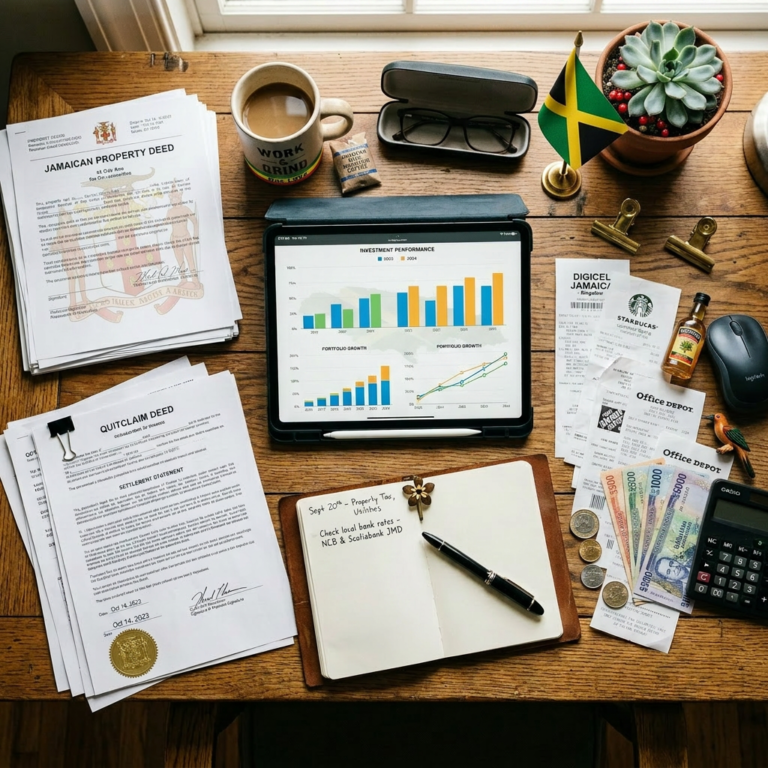
This is the simplest item on the list, but it may be the most useful. A property file is one central place — physical, digital, or both — where you keep every important document related to your Jamaican property.
When something comes up, whether it is a tax question, an insurance claim, a repair issue, or a family discussion, you should be able to find what you need quickly.
What should be in your property file:
- A copy of the Certificate of Title, preferably a certified copy from the NLA if possible
- Property tax receipts and current tax balance confirmations from the TAJ portal
- Your 11-digit property valuation number
- Active insurance policy documents and premium receipts
- Utility account numbers and login details for JPS and NWC
- Contact information for your local caretaker, neighbors, or property manager
- Any written agreements related to the property, including family arrangements, caretaker agreements, or tenant leases
- Contact information for your Jamaican attorney, if you have one
- Estate planning documents, or a clear note stating where the original will is safely stored
Practical note: Keep a secure digital backup. Scanned copies in secure cloud storage or a dedicated email folder can save you a lot of stress if physical documents are lost, damaged, or left behind while traveling. Organize the folder clearly enough that someone you trust could find the right document in an emergency.
Common Mistakes Overseas Property Owners Make
These are patterns that come up again and again for diaspora homeowners. Knowing them ahead of time can help you avoid bigger problems later.
- Assuming property tax is being paid when it is not: Someone in the family said they would handle it. Years pass. No one actually paid. This is more common than many people want to admit. Check the TAJ portal yourself when possible.
- Letting the title stay in a deceased person’s name: Many Jamaican properties are still registered to parents, grandparents, or relatives who passed away years ago. Updating a title after death is not automatic. It requires formal steps, and the longer it is left unresolved, the more complicated it can become.
- Having no written agreements for family members who use the property: Informal arrangements may work for a while, until they do not. When relationships change or the property needs to be sold, rented, repaired, or transferred, unwritten arrangements can create serious conflict.
- Letting insurance lapse without realizing it: If payments were tied to an expired card, changed bank account, or old email address, a policy can lapse quietly. Review coverage annually, especially before hurricane season.
- Not knowing where the title documents are: The original Certificate of Title is held at the NLA, but do you have a certified copy? Do you know where your copy is? If no one can find it, contact the NLA about applying for a certified copy.
- Losing contact with your local contact person: People move, phone numbers change, and relationships shift. If your go-to person in Jamaica is no longer reachable or reliable, that gap needs to be addressed.
Island Breeze Perspective
As an overseas homeowner myself, I understand how easy it is for Jamaica property matters to sit in the background until something needs attention. When you are not physically there, you have to depend on records, phone calls, photos, receipts, and people you trust.
That is why I believe every overseas homeowner needs a simple yearly system. Not because you need to become an expert in every Jamaican process, but because you need to know where your documents are, who is checking the property, whether your taxes are current, and what needs follow-up.
Managing property from abroad takes patience, but it becomes much easier when everything is written down and kept in one place.
Closing
Owning property in Jamaica from overseas is manageable, but it works best when you treat it like the serious responsibility it is. A yearly review of your property tax status, title records, insurance, utilities, local contacts, and paperwork is not just another task. It is how you protect something you worked hard to keep.
If you are not sure where to begin, choose one item from this checklist and handle it this week. One step is still progress.
For more help with the processes behind these items — including property tax payments, valuation numbers, title records, and managing vacant property — Island Breeze Jamaica has related guides across the site to help you take the next step.

FAQ
Q1: How do I check if my Jamaica property tax is up to date from overseas?
You can check your property tax status and outstanding balance through the Tax Administration Jamaica online portal at www.jamaicatax.gov.jm or through the TAJ mobile app. You will usually need your 11-digit valuation number to look up the correct property account. TAJ also lists customer service options for direct assistance. Once payment is confirmed, save or download your electronic receipt for your records.
Q2: What is a valuation number in Jamaica and how do I find mine?
A valuation number is the unique 11-digit identifier connected to your property tax record. It may appear on old property tax receipts, valuation notices, or tax correspondence. If you do not know your valuation number, you can contact the NLA or TAJ with details such as the property address, registered owner’s name, and title volume and folio numbers if available.
Q3: Can I update the Certificate of Title if it is still in a deceased person’s name?
Yes, but it must go through the proper legal process. When a property owner passes away, the title does not automatically transfer to heirs. Depending on whether there is a will, the estate may require probate or Letters of Administration before title records can be updated. Speak with a licensed Jamaican attorney for guidance on the correct steps.
Q4: Do I need insurance on a property in Jamaica if no one is living there?
It is strongly recommended that overseas homeowners review insurance options for vacant or part-time properties. Empty homes can face risks such as theft, storm damage, leaks, and structural deterioration. Review your policy carefully and make sure your insurer knows the true occupancy status of the property.
Q5: What should I do if I cannot find the Certificate of Title for my Jamaica property?
The original Certificate of Title is held by the National Land Agency. If you cannot find your copy, contact the NLA’s Land Titles Division about applying for a certified copy. You may need identifying details such as the property address, valuation number, registered owner’s full legal name, or title volume and folio numbers.
Related Articles
- Property tax payments via TAJ portal → “How to Pay Jamaican Property Taxes Online From Overseas”
- Finding your valuation number → “Find Your Jamaica Valuation Number Online”
- Managing a vacant property → “Managing a Vacant Jamaican Property from Overseas”
- Jamaican property purchasing process →“How to Buy a House in Jamaica From Overseas”
- Cost to build a house → “Cost to Build a House in Jamaica in 2026”
- Building vs Buying timelines → “Building in Jamaica 2026: Timeline, Mistakes & Build vs Buy”