
Last verified: July 2026
Moving back to Jamaica involves more than booking a flight and shipping your belongings. Before packing a barrel, container or vehicle, you need to know whether you qualify for Returning Resident status, which items may receive customs concessions and what expenses you could still face at the port.
Under Jamaica’s Returning Resident Programme, eligible Jamaicans returning home permanently may import approved personal and household effects, as well as certain tools of trade, free of customs duty. The programme is administered by the Jamaica Customs Agency, commonly called JCA. (Jamaica Customs Agency)
The word duty-free, however, can be misleading. It does not mean your entire move will be free. Shipping, port handling, storage, brokerage and other applicable charges may still apply.
This guide explains the official requirements, documents, benefits, vehicle rules and practical steps to take before you move.
Important: Customs policies, approved items and vehicle requirements may change. Confirm current rules directly with the Jamaica Customs Agency and Trade Board Limited before paying for shipping.
Related Guide: How to Renew a Jamaican Passport From Overseas
Returning Resident at a Glance
- Minimum overseas residence: 3 consecutive years (standard Returning Resident)
- Minimum age: 18 years
- Benefit: Customs concessions on approved personal and household effects and certain tools of trade
- Vehicle concession: No automatic duty exemption; separate Trade Board approval required
- Application: Begins online through the Jamaica Customs Agency
- One-time benefit: Yes, for eligible applicants
- Best advice: Get approval and gather all documents before shipping
What Is Returning Resident Status in Jamaica?
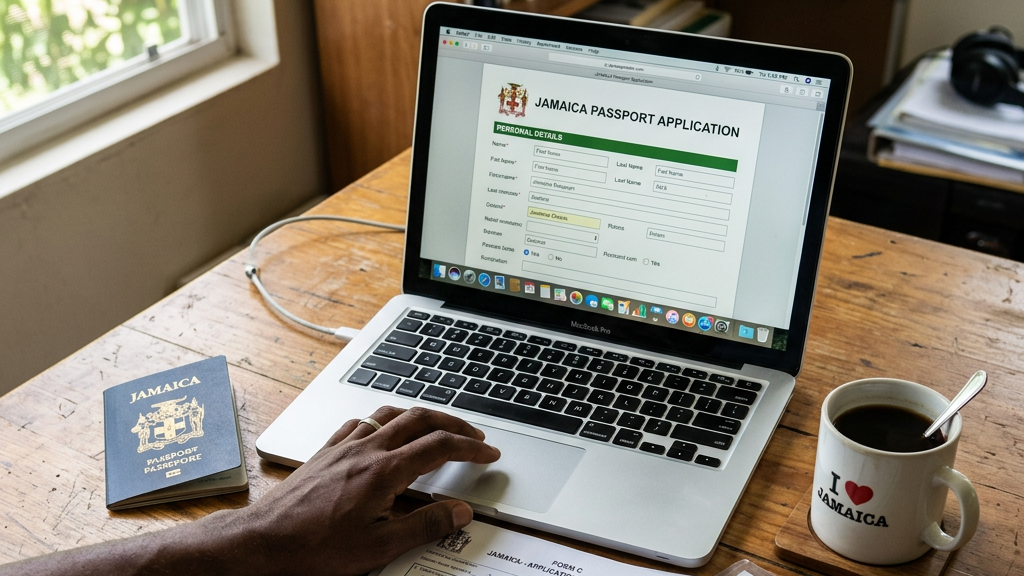
Returning Resident status is a customs classification for eligible people who have lived overseas and are returning to Jamaica to live permanently.
It is not simply a label for anyone visiting home after living abroad. To qualify, you must meet the programme’s residency, nationality and permanent-return requirements.
The Jamaica Customs Agency determines eligibility and approves customs concessions for:
- Personal effects
- Household effects
- Approved tools of trade
- Certain benefits available to returning students
- Eligible spouses and other special categories
Vehicles are treated separately and require approval through the Trade Board Limited.
Who Qualifies as a Returning Resident?
The standard applicant must:
- Be a Jamaican national
- Be at least 18 years old
- Have lived outside Jamaica for at least three consecutive years
- Be returning to Jamaica to live permanently
The requirement is based on permanent resettlement, not an extended vacation or a temporary stay. (Jamaica Information Service)
The three-year rule
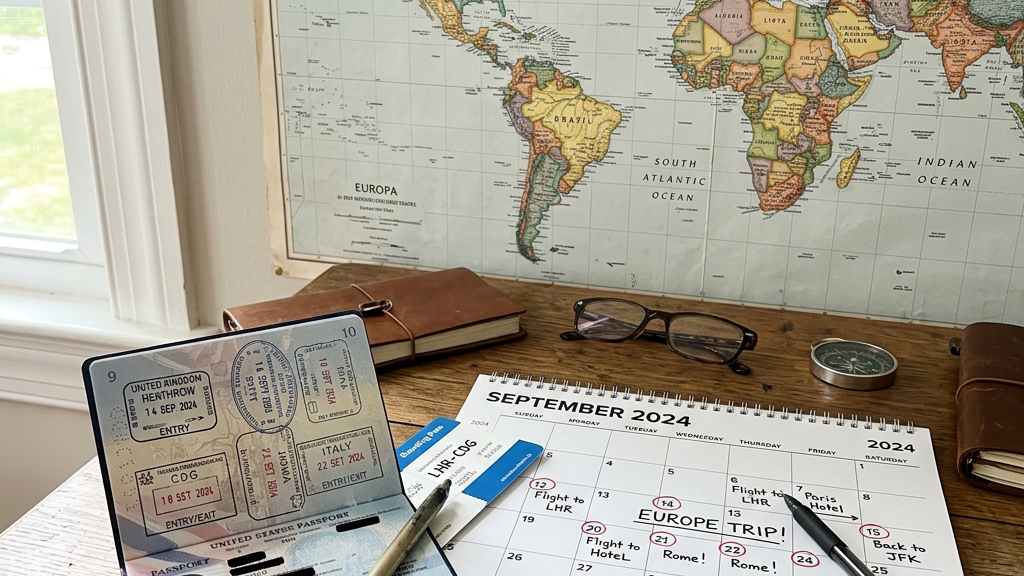
The three-year requirement means you must be able to show that your primary residence remained overseas for at least three consecutive years.
Customs may examine:
- Passport entry and exit records
- Tax filings
- Employment records
- Pay statements
- Utility bills
- Lease or mortgage records
- School records
- Retirement documents
- Other proof showing where you lived
Short visits to Jamaica do not automatically prevent you from qualifying. However, lengthy or frequent stays may cause Customs to question whether you were truly residing overseas throughout the qualifying period.
You may hear that a person cannot spend more than three months in Jamaica during any calendar year. That should not be presented as a universal statutory rule. The safer interpretation is that prolonged stays can trigger closer review.
Keep your overseas residency documents even if you travelled to Jamaica regularly.
Remember: vacations to Jamaica usually do not affect eligibility, but lengthy stays may require additional review. Keep documentation showing your primary residence remained overseas.
Returning students
A returning student is generally a Jamaican national who:
- Is at least 18 years old
- Studied abroad for more than one year but fewer than three consecutive years
- Is returning to Jamaica to live permanently
Returning students do not automatically receive every entitlement available to standard returning residents. Their concessions are narrower and may include used household effects, approved tools of trade and limited electronics. (Jamaica Customs Agency)
Non-Jamaican spouses
A non-Jamaican spouse may qualify through a Jamaican Returning Resident when both are returning to live permanently and meet the applicable overseas-residency requirements.
Marriage documents and proof of the Jamaican spouse’s eligibility will be required.
Deportees
A Jamaican deportee who lived overseas for at least three consecutive years may fall within an eligible category. Customs may require a deportation order, case file, identification and supporting documentation from the Passport, Immigration and Citizenship Agency. (Jamaica Customs Agency)
People who previously gave up Jamaican citizenship
A person who previously renounced Jamaican citizenship may also be considered, provided they can prove their former Jamaican status and meet the other programme requirements. (Jamaica Customs Agency)
The Family Unit Rule for Married Couples
Married couples should not assume they can each claim a complete, separate household concession.
When spouses return together, or within the period established under Customs policy, they may be treated as one family unit. This means the household concession is generally applied to the family rather than duplicated for each spouse.
Individual tools of trade may be treated differently where each spouse has a separate occupation or profession. That determination should be confirmed with JCA before shipping.
This rule matters because splitting household items between two shipments does not automatically create two full allowances.
Returning Resident Eligibility at a Glance
| Applicant category | General overseas requirement | Main supporting documents | General benefit |
|---|---|---|---|
| Standard Returning Resident | At least 3 consecutive years | Passport, TRN, tax and employment records, proof of permanent return | Approved personal and household effects and tools of trade |
| Returning student | More than 1 year but fewer than 3 years studying abroad | School transcript, institutional letter, student ID and travel documents | Narrower concessions on approved effects, tools and electronics |
| Non-Jamaican spouse | Must meet the applicable residency conditions with the Jamaican spouse | Marriage certificate and spouse’s eligibility documents | Included under the eligible family arrangement |
| Deportee | Generally at least 3 consecutive years overseas | Deportation order, case file, identification and supporting records | Approved personal and household effects |
| Former Jamaican citizen | Proof of previous Jamaican status | Citizenship records and residency documents | Subject to JCA approval |
What Benefits Can a Returning Resident Receive?

Eligible Returning Residents may import approved personal and household effects and tools of trade free of customs duty, subject to the quantities, conditions and exclusions established by JCA. (Jamaica Information Service)
Personal effects
Personal effects may include used items such as:
- Clothing
- Shoes
- Toiletries
- Personal accessories
- Books
- Other belongings intended for private use
The nature, quantity and intended use of the goods must show that they are personal rather than commercial. (Jamaica Customs Agency)
Household effects
Approved household effects may include furniture, appliances and other items ordinarily used in a home.
Customs will consider whether the amount is reasonable for the size of the returning household. Importing several identical new appliances may raise questions about commercial intent.
A concession is not a licence to import merchandise for resale.
Tools of trade
Tools of trade are items needed to practise your profession, occupation or skilled trade.
Examples may include equipment used by:
- Hairdressers
- Barbers
- Carpenters
- Electricians
- Photographers
- Musicians
- Designers
- Tailors
- Mechanics
- Other self-employed professionals
The items should be for the applicant’s own professional use and not intended for resale or use in a large commercial operation involving additional labour.
Discuss expensive machinery or specialized equipment with JCA before shipping it. The phrase “tools of trade” does not cover every item someone plans to use in a business.
Related Guide: Building a Home in Jamaica: Costs and Considerations
Electronics and Quantity Limits
The JCA entitlement information identifies limited electronic allowances, particularly for returning students. These may include one of each approved item, such as:
| Approved item | General quantity shown |
|---|---|
| Television | 1 |
| Video player or recorder | 1 |
| Component or stereo system | 1 |
| Personal computer | 1 |
| Computer stand | 1 |
| Printer | 1 |
| Printer stand | 1 |
| Musical instruments | Reasonable quantity or approved set |
JCA’s current online entitlement page specifically describes this limited list under the returning-student provisions. Standard Returning Residents should confirm the current full household-effects schedule instead of assuming this table is their complete allowance. (Jamaica Customs Agency)
What Is Not Included?
Returning Resident status does not make everything you ship duty-free.
Common exclusions include:
- Motor vehicles
- Motorcycles
- Building materials
- Tyres
- Kitchen cabinets
- Commercial merchandise
- Goods intended for resale
- Excessive quantities of new items
Always obtain written guidance before shipping unusual, expensive or business-related goods.
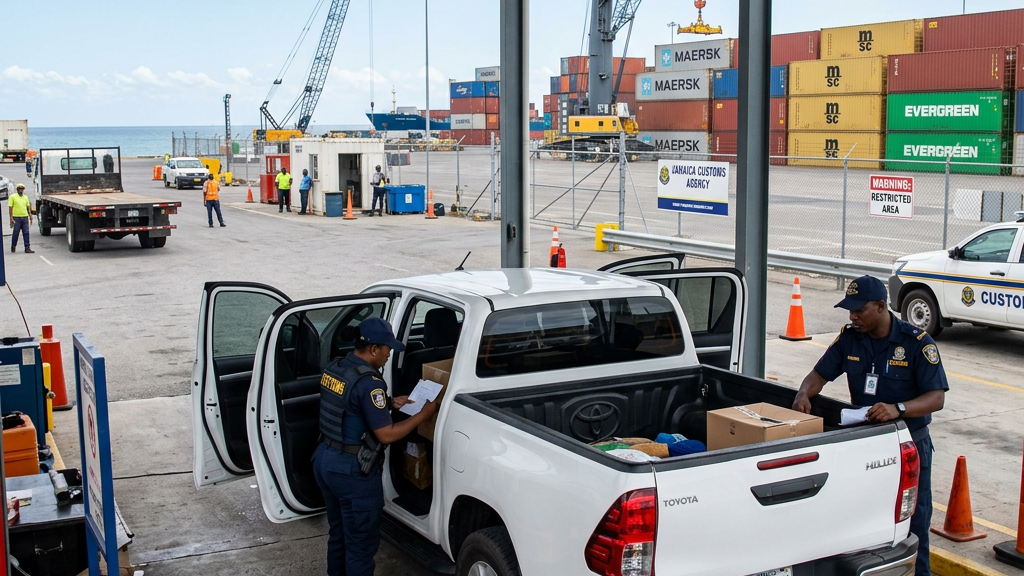
The Truth About Importing a Motor Vehicle
One of the biggest Returning Resident myths is that you can take a car home duty-free.
You cannot.
JCA states that Returning Residents receive no automatic duty exemption on motor vehicles. Duties and taxes are assessed at the applicable rates. The special consideration is that an approved Returning Resident may import a vehicle up to 10 years old, provided it has been in the person’s possession for at least six months. (Jamaica Customs Agency)
Under the current Motor Vehicle Import Policy, an eligible Returning Resident may be permitted to import one motor car and one light commercial vehicle, or two light commercial vehicles. The policy does not allow the importation of two passenger motor cars under the Returning Resident facility. Always confirm the current vehicle classifications and eligibility requirements with the Trade Board before purchasing or shipping a vehicle.
Vehicle warning
Returning Resident status does not make your vehicle duty-free.
Obtain your Trade Board Import Licence before the vehicle ships.
Vehicle rules to confirm before shipping
Confirm all of the following:
- Whether your Returning Resident pre-approval has been issued
- Whether the vehicle’s age qualifies
- Whether your six-month ownership history is sufficient
- Whether your registration and title match your name
- Whether the vehicle specifications meet current import policy
- The likely customs value
- The estimated duties and taxes
- Whether the Trade Board import licence has been approved
- Whether a licensed customs broker has been arranged
The Trade Board lists a Returning Resident pre-approval letter, proof of purchase, vehicle registration or title, identification and citizenship documents among the required permit materials. (Trade Board)
The import licence must come first
The vehicle import licence must be obtained before the vehicle arrives. JCA clearly warns applicants not to ship first and try to obtain approval afterward. (Jamaica Customs Agency)
Vehicle policies and model-year limits can change. Verify the rules for the exact year in which you plan to import.
Documents You May Need
JCA may request documents proving your identity, overseas residence and intention to live permanently in Jamaica.
Basic documents
Prepare:
- A valid Jamaican passport
- Or a foreign passport endorsed with an Unconditional Landing Stamp
- Taxpayer Registration Number, commonly called a TRN
- Validated Bill of Lading or Airway Bill
- Proof of your Jamaican address
- Evidence that you lived overseas for the required period
- Evidence that you intend to re-establish permanent residence in Jamaica
JCA specifically identifies a valid Jamaican passport, or a foreign passport with the appropriate Unconditional Landing endorsement, along with the TRN, shipping document and residency evidence. (Jamaica Customs Agency)
Evidence of overseas residence
Depending on your situation, useful evidence may include:
- Tax-return transcripts
- W-2 or 1099 forms
- Canadian T4 slips or Notices of Assessment
- UK P60 records
- Pay statements
- Employment contracts
- Employer-separation letters
- Pension or retirement documents
- Social Security documentation
- Foreign utility bills
- Rental agreements
- Mortgage statements
- Work permits
- School records
- A notarised letter confirming your overseas residence
- A letter from a Jamaican consulate
- Other records accepted by JCA
JCA’s document guidance includes retirement papers, pension advice, Social Security letters, notarised residency confirmation, consular letters, work permits and other evidence that establishes residence abroad. (Jamaica Customs Agency)
Foreign passport holders
A Jamaican birth certificate alongside a foreign passport may not be enough.
JCA’s published requirements state that a foreign passport must carry an Unconditional Landing Stamp. This endorsement is handled through the Passport, Immigration and Citizenship Agency.
Complete that step before assuming your Customs application is ready.
Returning-student documents
Returning students may also need:
- Official transcript
- Letter confirming attendance and programme duration
- Student identification
- I-20 documentation, where applicable
- Passport and travel records
- TRN
- Proof of Jamaican address
- Bill of Lading or Airway Bill
Deportee documents
A deported applicant may be asked for:
- Deportation order
- Case profile or case file
- PICA letter
- TRN
- Valid passport or other accepted identification
- Shipping documents
- Proof of Jamaican address
How to Apply for Returning Resident Status

JCA uses an online application process. Applicants may seek provisional approval before arriving in Jamaica, once the required documents are available. The online procedure removed the need to visit a JCA office simply to submit the initial application. (Jamaica Information Service)
Step 1: Organise your documents
Before registering, scan clear copies of:
- Passport pages
- Immigration endorsements
- Tax documents
- Employment or retirement records
- Proof of Jamaican address
- TRN
- Shipping documents, when available
- Category-specific records
Make sure every page is readable.
Step 2: Register through the JCA Returning Residents section
Go through the official Jamaica Customs Agency website and select the Returning Residents service.
Avoid relying on links sent through random social-media accounts or unofficial relocation pages.
Step 3: Complete the application
Provide accurate details about:
- Your identity
- Citizenship
- Dates of overseas residence
- Visits to Jamaica
- Employment or studies abroad
- Jamaican address
- Intended return date
- Shipment
- Spouse and family status
Do not hide lengthy stays in Jamaica. Customs can compare your application against travel records.
Step 4: Upload your documents
Upload the requested evidence using consistent filenames and clear scans.
For example:
Robert-Smith-Passport.pdf2025-IRS-Tax-Transcript.pdfEmployer-Separation-Letter.pdfJamaica-Address-Proof.pdf
A messy file labelled IMG_4457 is harder for everyone to identify.
Step 5: Attend an interview if instructed
JCA’s current Returning Residents page says returnees are subject to an interview, while its online procedures allow applications and provisional approval to begin remotely. Follow the instructions issued for your individual application rather than assuming no interview will occur. (Jamaica Customs Agency)
The interview may be used to confirm:
- Your residence history
- Your permanent-return plans
- Your employment or retirement status
- Your shipment
- Your relationship to accompanying family members
- Any gaps or inconsistencies in your documents
Step 6: Receive the decision or exemption notice
Do not treat portal registration as approval.
Wait for the formal notice or instructions from JCA before making irreversible shipping decisions.
Step 7: Clear your shipment
Once approved, provide the relevant documents to your customs broker or follow JCA’s instructions for clearing eligible personal effects.
A broker is required for vehicle clearance. For household effects, whether you can reasonably self-clear depends on the shipment and clearance process. Containerised and consolidated cargo can be difficult to handle without professional assistance.
When Must You Claim the Benefit?
The timing requirements for Returning Resident benefits depend on what you are importing.
Household effects and other approved concessionary items should generally be imported within the period established by the Jamaica Customs Agency, commonly within six months of the Returning Resident’s arrival.
Motor vehicles follow a separate approval process. A Trade Board import licence must be approved before the vehicle arrives in Jamaica, and applicants should confirm all applicable deadlines before making shipping arrangements.
Qualified applicants may benefit from the Returning Resident concession only once.
That timing should be planned carefully.
Do not assume you can return to Jamaica, wait several years, and then decide to use the concession. Likewise, do not ship everything far in advance without confirming that your shipment falls within the applicable timeframe.
Because individual circumstances can vary, obtain written clarification from the Jamaica Customs Agency if your move does not follow a straightforward schedule.
Duty-Free Does Not Mean Cost-Free
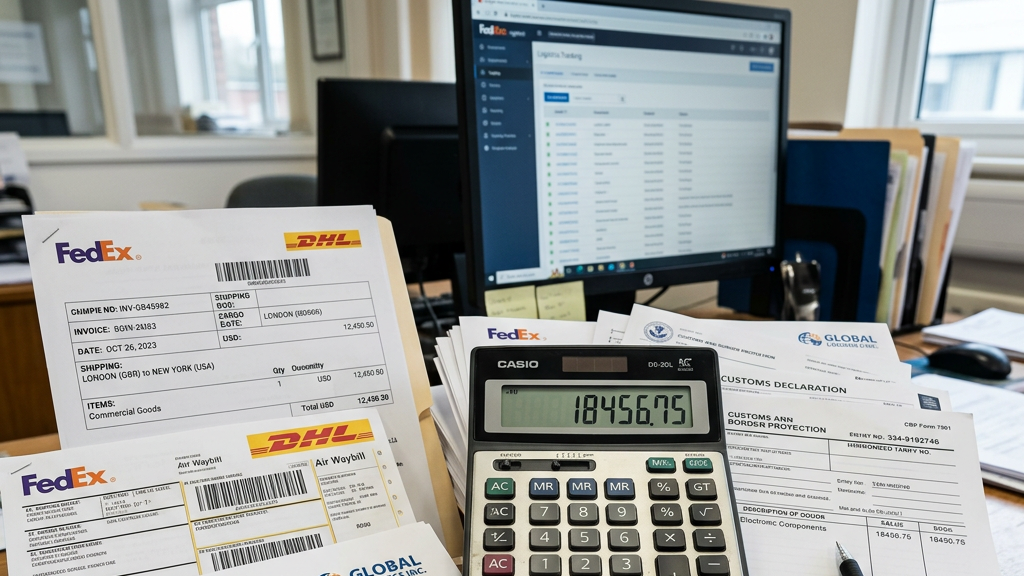
This is where many returning residents get an unpleasant surprise.
A customs-duty concession applies to qualifying duties on approved goods. It does not make the shipping company, port, terminal, warehouse or customs broker free.
You may still need to budget for:
- Overseas packing
- Inland transportation
- Shipping charges
- Marine insurance
- Destination charges
- Port or terminal handling
- Wharfage
- Documentation fees
- Customs processing
- Inspection charges
- Brokerage
- Storage
- Shipping-line demurrage
- Delivery from the port to your home
- Taxes or levies that are not covered by your specific exemption
The exact charges depend on the shipment, port, carrier and concession approval.
Ask for a written estimate showing what is included and excluded. “Door-to-door” is one of those phrases that can turn into a small novel once the invoice arrives.
Related Guide: Understanding Family Land in Jamaica
Diaspora Logistics: How to Avoid Port Delays
Make every name match
The name on your:
- Passport
- TRN
- Customs application
- Bill of Lading
- Vehicle title
- Invoice
- Employer letter
- Other official records
should be consistent.
A middle initial may seem harmless, but major variations can slow verification. If your legal name changed through marriage or another process, include supporting documents.
Prepare a detailed packing list
Do not submit a list that says only:
- Household goods
- Personal items
- Clothes and kitchen stuff
Create an itemised inventory.
For example:
Box 1
- Used women’s clothing
- 4 pairs of shoes
- Personal handbags
Box 2
- Used pots and pans
- Used dishes
- 1 used toaster
- Kitchen utensils
Living-room items
- 1 used sofa
- 2 side tables
- 1 television
A good list helps Customs understand that the shipment contains ordinary household belongings rather than undeclared commercial goods.
Separate new and used items
Keep receipts for new items.
Do not describe a brand-new appliance as used. Customs officers may inspect the goods, packaging and serial numbers.
Do not ship prohibited or restricted goods casually
Some items require separate permits or agency approval, including:
- Pets
- Plants
- Certain foods
- Agricultural products
- Medicines
- Firearms
- Commercial equipment
- Restricted chemicals
A shipping company accepting an item does not mean Jamaica Customs will automatically clear it.
Arrange a broker before the shipment arrives
Do not wait until the container is sitting at the wharf and storage charges have begun.
Ask the broker:
- Are you licensed?
- Have you handled Returning Resident shipments?
- Which port will clear the goods?
- Which documents do you require?
- What is your brokerage fee?
- Which port and third-party charges are excluded?
- How quickly must I provide the original Bill of Lading?
- Who will handle inspection?
- Who arranges final delivery?
Before You Ship: Printable Checklist
Status and identification
- Confirm that you meet the Returning Resident requirements
- Check that your Jamaican passport is valid
- Obtain an Unconditional Landing Stamp if using a foreign passport
- Confirm that you have a TRN
- Gather proof of your Jamaican address
Overseas-residency evidence
- Collect at least three years of tax records
- Save employment and pay records
- Obtain an employer-separation letter
- Gather retirement or pension documents if applicable
- Save leases, utility bills or mortgage records
- Review passport stamps and travel dates
- Explain any gaps before submitting the application
Household shipment
- Confirm which goods qualify
- Prepare a box-by-box inventory
- Separate new and used goods
- Save receipts for new purchases
- Remove goods intended for resale
- Check whether any item requires a separate permit
- Make sure the Bill of Lading uses your correct legal name
- Confirm that your concession timing matches the shipment
Vehicle shipment
- Obtain JCA Returning Resident approval or pre-approval
- Confirm vehicle age eligibility
- Confirm at least six months of possession
- Apply through the Trade Board
- Receive the import licence before the vehicle arrives
- Estimate full duties and taxes
- Hire a licensed customs broker
- Confirm port and storage charges
Common Myths About Returning Resident Benefits
| Myth | Reality |
|---|---|
| Anyone born in Jamaica automatically qualifies | You must meet the overseas-residency and permanent-return requirements |
| The concession can be used every time you move back | It is a one-time benefit |
| A married couple automatically gets two complete concessions | Spouses may be treated as one family unit |
| Cars are duty-free for Returning Residents | JCA says there is no automatic vehicle-duty exemption |
| Returning students receive the same benefits as Returning Residents | Student entitlements are narrower |
| You must complete the whole process in person | The application process begins online |
| Duty-free means there will be no clearance costs | Shipping, port, storage and other charges may still apply |
| Customs will accept a general packing list | Detailed, accurate inventories reduce questions and delays |
| You can ship first and apply for a vehicle permit afterward | The Trade Board import licence must be obtained before the vehicle arrives |
Frequently Asked Questions
How long must I live abroad to qualify as a Returning Resident?
A standard Returning Resident must generally have lived overseas for at least three consecutive years and must be returning to Jamaica to reside permanently. (Jamaica Information Service)
Can I visit Jamaica during the three years?
Short vacation visits do not necessarily destroy your eligibility. However, long or frequent stays may cause JCA to examine whether your primary residence was truly overseas.
Keep evidence showing that your job, home, taxes and ordinary life remained abroad.
Can I import my car duty-free?
No. Returning Residents do not receive an automatic duty exemption on motor vehicles. Full applicable duties and taxes are assessed. (Jamaica Customs Agency)
What vehicle advantage does Returning Resident status provide?
JCA states that an approved Returning Resident may import a vehicle up to 10 years old if it has been in the person’s possession for at least six months. An import licence is still required before the vehicle arrives. (Jamaica Customs Agency)
Can I apply before arriving in Jamaica?
Yes. JCA’s online procedure allows applicants to seek provisional approval before arrival once the requirements are satisfied. (Jamaica Information Service)
Do I need a Jamaican passport?
JCA accepts a valid Jamaican passport. A foreign passport must carry the required Unconditional Landing endorsement. (Jamaica Customs Agency)
What if my spouse is not Jamaican?
A non-Jamaican spouse may qualify through an eligible Jamaican Returning Resident, subject to JCA’s residency, marriage and permanent-return requirements.
Can I use the benefit twice?
JCA states that qualified applicants can benefit only once from the concession. (Jamaica Customs Agency)
Do I need a customs broker?
A licensed broker is required for clearing a motor vehicle. Some personal effects may be self-cleared, but containerised cargo can be difficult to process without a broker.
What happens if my shipment arrives before I am ready?
The goods may remain at the port while you resolve the paperwork. Storage, demurrage and other destination charges can accumulate.
This is why approval, document checks and broker arrangements should happen before the shipment sails whenever possible.
Can I bring pets or plants?
Pets and plants require separate permits and must satisfy the requirements of the relevant Jamaican agricultural authorities. Do not place them in a shipment without receiving the proper approval.
Can I sell items imported under the concession?
The concession is intended for your household and professional use, not resale. Selling imported concessionary goods may create customs and tax consequences. Obtain JCA guidance before transferring or selling high-value items brought in under the programme.

Island Breeze Perspective
Returning home is emotional, but Customs is a paperwork process.
You may know exactly why you are moving back. You may have spent years building a house, supporting relatives and preparing for retirement. None of that replaces the documents JCA needs to approve the concession.
Start early. Keep your records. Ask questions before you ship. Most importantly, do not make expensive decisions based on somebody saying, “My cousin did it and it was fine.”
Your cousin’s shipment is not your Customs approval.
The Returning Resident benefit can make relocating easier, but only when the eligibility dates, documents and shipment are properly aligned. Treat the concession as one part of your moving plan, not as permission to pack everything you own and sort it out at the wharf.
Before finalising your move, you may also find these Island Breeze Jamaica guides useful:
- How to Renew a Jamaican Passport From Overseas
- Understanding Family Land in Jamaica
- Building a Home in Jamaica: Costs and Considerations
- Buying Property in Jamaica From Abroad