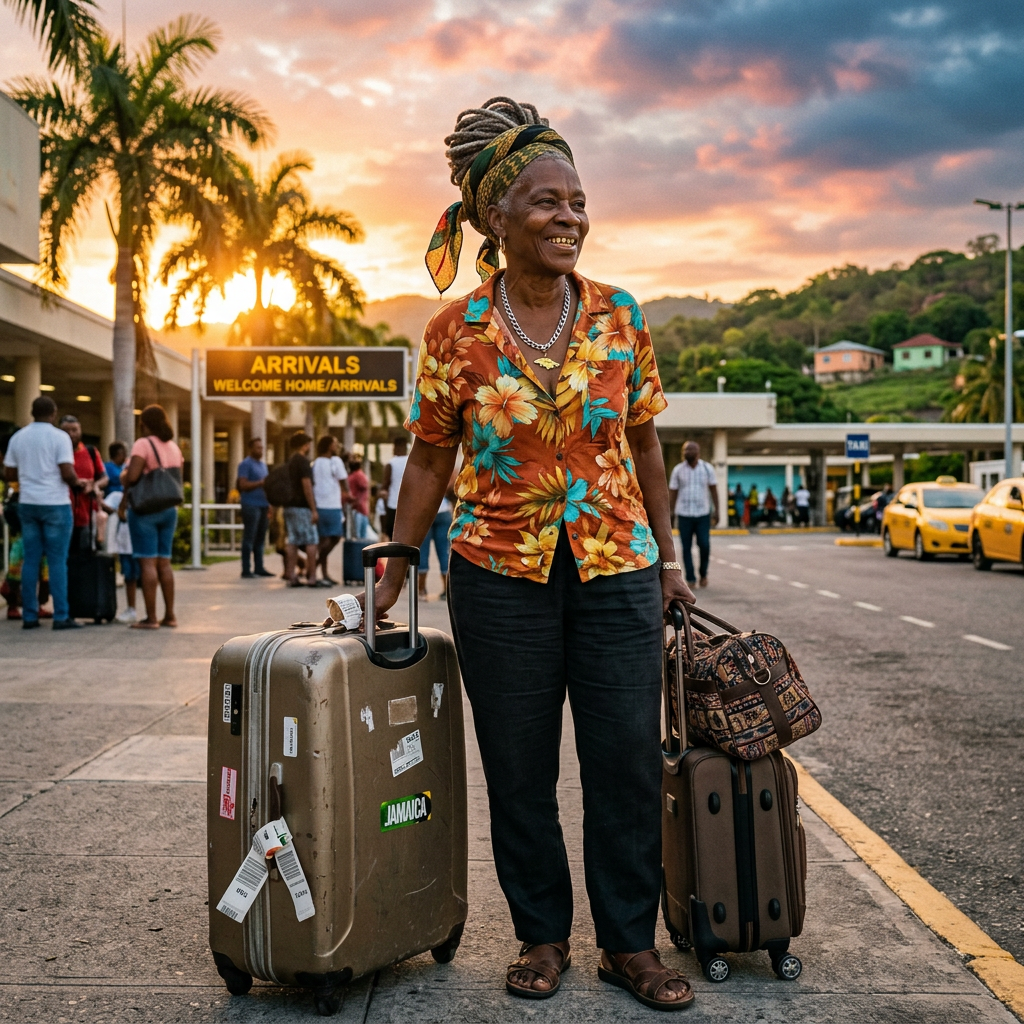
Moving back to Jamaica? One of the biggest adjustments isn’t finding a house, shipping your belongings, or reopening a bank account. It’s learning how healthcare works once you arrive.
If you’ve spent years living in the United States, Canada, the United Kingdom, or another country with a different healthcare system, it’s easy to assume things will work the same way in Jamaica. They don’t.
Some returning Jamaicans are surprised to learn that Medicare generally doesn’t cover routine healthcare in Jamaica. Others mistakenly believe that obtaining Returning Resident status automatically qualifies them for National Health Fund (NHF) benefits. Many don’t realize that specialist care is concentrated in a few major urban centers or that certain prescription medications require advance planning before traveling.
None of these challenges should discourage you from returning home. Jamaica has a healthcare system that serves millions of residents every year, combining tax-funded public services with a growing network of private hospitals, specialists, and pharmacies. The key is understanding how the system works before you need it.
Whether you’re planning to retire in Jamaica, returning after decades overseas, working remotely from the island, or helping an aging parent relocate, preparing your healthcare plan should be part of your overall moving checklist.
In this guide, you’ll learn:
- How Jamaica’s public and private healthcare systems work
- What happens to Medicare, NHS, and Canadian provincial healthcare when you move
- How the National Health Fund (NHF) can help reduce medication costs
- Where to find specialized medical care across the island
- How to prepare your prescriptions before relocating
- Practical steps to make your transition as smooth as possible
How Jamaica’s Healthcare System Actually Works
Jamaica’s healthcare system combines publicly funded medical services with a well-established private healthcare sector. Understanding when to use each can help you receive the care you need while managing costs effectively.
Public Healthcare System
The Ministry of Health & Wellness oversees Jamaica’s public healthcare system, while day-to-day services are delivered through four Regional Health Authorities (RHAs). These authorities manage hundreds of community health centers, clinics, and public hospitals across the island.
The four Regional Health Authorities are:
- South East Regional Health Authority
- North East Regional Health Authority
- Southern Regional Health Authority
- Western Regional Health Authority
For most residents, the public system is the starting point for healthcare.
Community health centers provide services such as:
- General medical care
- Chronic disease management
- Maternal and child health
- Immunizations
- Family planning
- Health screenings
- Referrals to specialists
Public hospitals provide emergency care, inpatient treatment, surgeries, and specialist services.
Since the abolition of user fees at most government-operated facilities, public clinics and regional hospitals generally provide healthcare without charging patients at the point of service. Instead, the system is funded primarily through taxation.
However, there is one important exception.
University Hospital of the West Indies (UHWI)
The University Hospital of the West Indies operates differently from most public hospitals.
Although it works closely with Jamaica’s public health system and serves as one of the country’s leading teaching hospitals, UHWI is a semi-autonomous institution that charges patient fees for many services.
This distinction often surprises returning Jamaicans who assume all public hospitals operate under the same payment model. If you receive care at UHWI, expect costs that may differ from those at government-operated regional hospitals.
Private Healthcare System
Many Jamaicans choose private healthcare when they want quicker appointments, shorter waiting times, or access to specialists without lengthy referral processes.
Private healthcare includes:
- Family physicians
- Specialist practices
- Diagnostic imaging centers
- Private hospitals
- Urgent care facilities
Private hospitals are concentrated primarily in Kingston, St. Andrew, Montego Bay, and a few other larger urban areas.
Patients either pay out of pocket or use private health insurance to cover expenses.
While private care typically costs more than the public system, many returning residents appreciate the convenience, flexibility, and faster access to specialists.
For routine illnesses, follow-up appointments, or elective procedures, private healthcare is often the preferred choice for those who can comfortably budget for it.
The National Health Fund (NHF)
One of the biggest misconceptions among returning Jamaicans is that obtaining Returning Resident status automatically qualifies them for National Health Fund benefits.
It doesn’t.
The National Health Fund is a government program designed to help residents manage chronic illnesses by reducing the cost of approved prescription medications.
Eligibility is based on medical need—not customs status.
To qualify, applicants generally need to:
- Be living in Jamaica
- Have a Taxpayer Registration Number (TRN)
- Receive a qualifying diagnosis from a registered physician
- Complete the NHF application process
The NHF currently provides subsidies for medications used to treat a number of chronic conditions, including illnesses such as hypertension, diabetes, asthma, glaucoma, and several others included in the program.
After approval, eligible individuals receive an NHFCard that can be used at participating pharmacies across Jamaica to reduce the cost of approved medications.
For many retirees and returning residents managing long-term health conditions, this program can significantly lower ongoing prescription expenses.
If you’re planning to relocate permanently, it’s a good idea to schedule an appointment with a Jamaican physician soon after arrival so your medical history can be documented and, if appropriate, your NHF application can begin.
Public vs. Private Healthcare: Which Is Better?
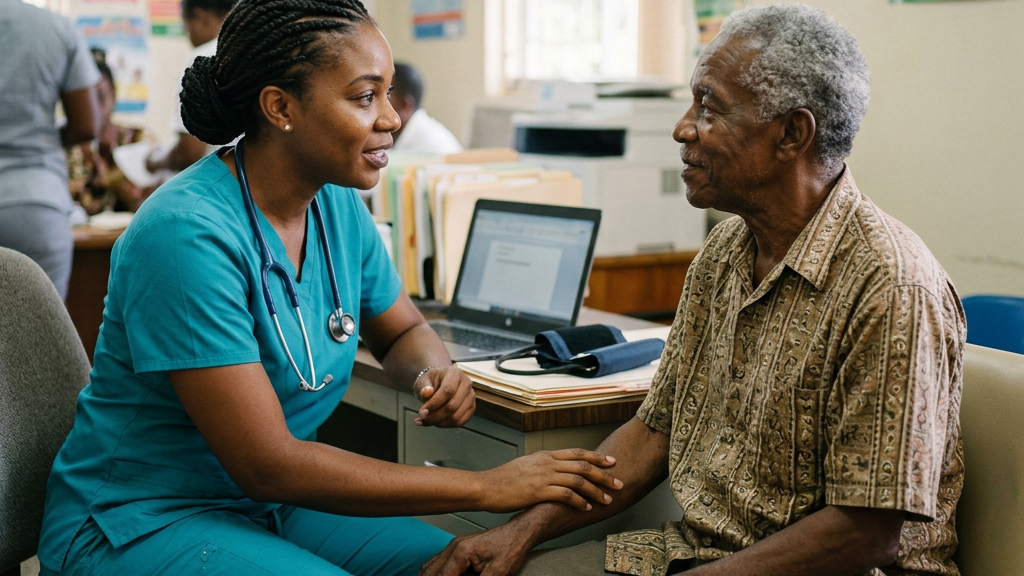
The answer depends on your needs.
Public healthcare is often the better choice for routine primary care, preventive services, and emergencies, especially if keeping healthcare costs low is a priority.
Private healthcare may be worth considering if you:
- Prefer shorter wait times
- Need quicker specialist appointments
- Want greater flexibility in choosing physicians
- Prefer private hospital accommodations
Many returning Jamaicans use both systems, relying on public services when appropriate while paying for private care when speed or convenience matters.
What Happens to Your Overseas Healthcare Coverage?
One of the most common questions asked by Jamaicans planning to return home is:
“Can I still use my healthcare from overseas?”
The answer depends on where you’re moving from.
U.S. Medicare
If you’re returning from the United States, it’s important to understand that Original Medicare generally does not pay for routine healthcare received in Jamaica.
Although there are a few limited exceptions—such as certain emergency situations involving travel near U.S. borders—those exceptions rarely apply to someone living permanently in Jamaica.
This means doctor visits, hospital care, surgeries, prescriptions, and routine medical treatment in Jamaica are generally not covered by Original Medicare.
Some Medicare Advantage plans include limited international emergency benefits, but coverage varies by insurer and should never be assumed.
If you currently have Medicare, speak with Medicare or your plan administrator before relocating so you understand how your coverage—and any future enrollment decisions—may be affected.
UK National Health Service (NHS)
Healthcare through the National Health Service is based primarily on ordinary residence.
People who permanently relocate outside the United Kingdom generally lose automatic entitlement to NHS healthcare under standard residency rules.
If you’re returning to Jamaica after living in the UK, you’ll need to make healthcare arrangements within Jamaica rather than relying on continued NHS access.
Canadian Provincial Health Plans
Healthcare coverage in Canada is administered by individual provinces and territories.
While the exact rules vary, most provincial plans require beneficiaries to maintain residency by spending a minimum amount of time in their home province each year.
Extended absences or permanent relocation to Jamaica may result in the loss of provincial healthcare coverage.
Before moving, contact your provincial health authority to understand:
- When your coverage ends
- Whether temporary absences are allowed
- Any paperwork you should complete before leaving
Do You Need Additional Coverage?
Many returning Jamaicans choose to purchase private health insurance after relocating, particularly if they:
- Have ongoing medical conditions
- Want faster access to specialists
- Prefer private hospitals
- Want additional financial protection against unexpected medical expenses
Healthcare planning should begin months before your move—not after you’ve already arrived.
Understanding how your overseas coverage changes allows you to make informed decisions about insurance, prescription medications, and establishing care with Jamaican healthcare providers before you actually need medical treatment.
Private Health Insurance & Local Healthcare Costs
Jamaica’s public healthcare system provides an important safety net, but many returning Jamaicans choose to supplement it with private healthcare. Whether you need private insurance depends on your health, your budget, and how quickly you want access to medical care.
For some people, the public system provides everything they need. Others prefer the added flexibility of private doctors, shorter waiting times, and private hospital accommodations.
Understanding the differences can help you decide which approach best fits your lifestyle.
Do You Need Private Health Insurance?
Private health insurance is not mandatory in Jamaica, but it can provide peace of mind—especially if you have ongoing medical conditions or prefer receiving care through private facilities.
You may want to consider private insurance if you:
- Visit specialists regularly.
- Expect elective surgeries in the future.
- Want faster appointments.
- Prefer private hospital rooms.
- Have chronic medical conditions requiring ongoing monitoring.
- Want protection from large, unexpected medical bills.
Many returning residents choose a hybrid approach by using public healthcare for routine services while relying on private insurance for specialist care and hospitalization.
Pre-Existing Conditions and Waiting Periods
One of the biggest surprises for people purchasing private insurance in Jamaica is that coverage may not begin immediately.
Most insurers impose waiting periods before certain benefits become available.
While policies vary by company, waiting periods commonly apply to:
- Pre-existing medical conditions
- Certain surgeries
- Maternity benefits
- Specialized treatments
Depending on the insurer and condition, waiting periods may range from several months to two years.
If you currently have private health insurance overseas, it’s worth discussing your relocation plans with your insurer before moving. Likewise, request policy details from Jamaican insurers well before purchasing coverage so you understand exactly what is—and isn’t—covered.
Medical Evacuation (Medevac)
One healthcare expense many people overlook is emergency medical evacuation.
While Jamaica has experienced physicians and excellent hospitals, some highly specialized treatments may require transfer to another country.
Medical evacuation by air ambulance can cost tens of thousands of dollars depending on the destination and the patient’s condition.
If you have serious heart disease, complex neurological conditions, rare cancers, or other illnesses that may require highly specialized treatment, consider whether a health insurance policy with medical evacuation benefits would provide valuable protection.
For some retirees, medevac coverage offers reassurance that, if necessary, they could be transferred quickly to another country for advanced care.
Regional Healthcare Access: Parish-by-Parish Reality
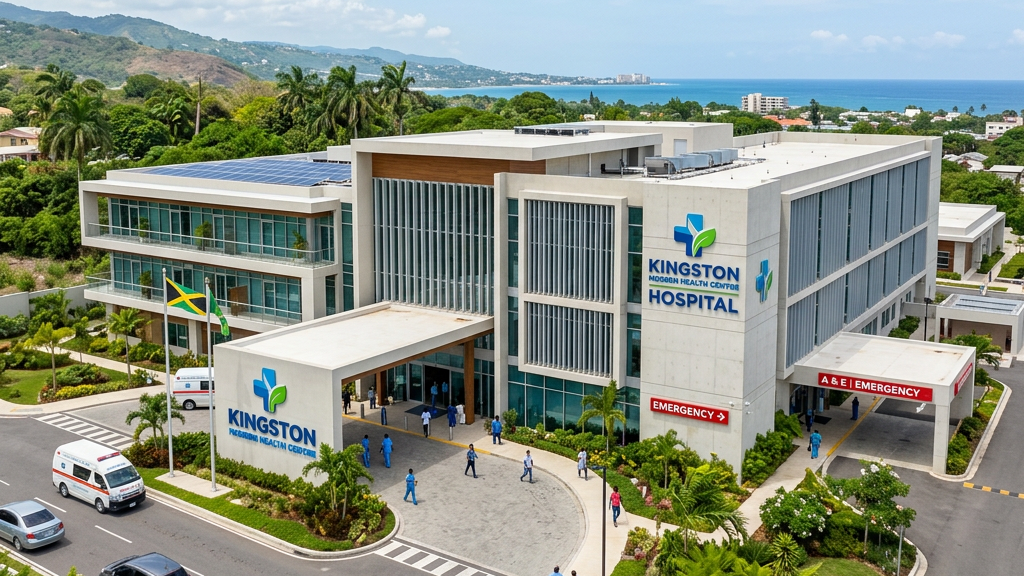
Where you choose to live in Jamaica can influence how quickly you can access specialized healthcare.
Routine medical services are available throughout the island, but advanced care is concentrated in several major urban centers.
If you’re deciding where to retire or purchase property, healthcare access deserves the same consideration as housing, transportation, and cost of living.
Specialized Care Hubs
Kingston and St. Andrew remain Jamaica’s largest medical hub.
Many of the country’s leading specialists, teaching hospitals, diagnostic centers, and private medical facilities are located there.
Montego Bay has also developed into an important regional healthcare center, serving western Jamaica with both public and private medical facilities.
These areas generally provide greater access to:
- Cardiology
- Oncology
- Dialysis
- Orthopedic surgery
- Advanced imaging
- Intensive care
- Specialized pediatric services
Patients living elsewhere may be referred to these centers for complex treatment.
Healthcare Outside Major Cities
Living in a rural parish doesn’t mean healthcare is unavailable.
Every parish has health centers, clinics, and public hospitals providing essential services.
However, residents should understand that smaller facilities may not offer:
- Certain specialist clinics
- Advanced diagnostic testing
- Complex surgeries
- Specialized cancer treatment
- High-risk cardiac procedures
Patients requiring advanced care are often transferred to larger regional hospitals.
If you’re planning to retire in a rural parish because of the quieter lifestyle or lower housing costs, consider:
- Distance to the nearest hospital
- Availability of ambulance services
- Travel time to specialist appointments
- Access during hurricanes or severe weather
Healthcare planning is especially important if you have chronic illnesses requiring frequent specialist visits.
Managing Prescriptions & Bringing Medication
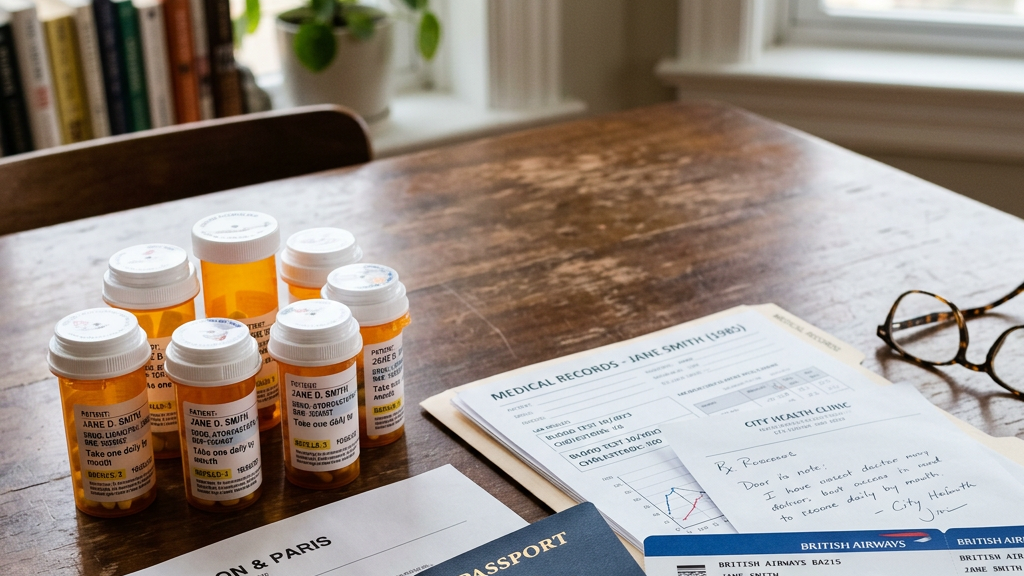
If you take prescription medication regularly, preparing before you move can prevent unnecessary interruptions in treatment.
This is one area where planning several months ahead can make a significant difference.
Bringing Medication into Jamaica
Most travelers can bring reasonable quantities of prescription medication for personal use.
However, medications should always be:
- Kept in their original labeled containers.
- Accompanied by a copy of your prescription.
- Supported by a letter from your physician if appropriate.
Controlled medications require additional attention.
Certain narcotics, stimulants, and other controlled drugs may require advance authorization from Jamaican authorities before they can legally enter the country.
If you take controlled medication, contact the Ministry of Health & Wellness or the nearest Jamaican diplomatic mission well before traveling to confirm current requirements.
Avoid Shipping Prescription Drugs
Many returning residents assume they can simply mail medications to Jamaica after moving.
This can create serious problems.
Prescription medications—particularly controlled substances—may be delayed, confiscated, or refused entry if proper permits have not been obtained.
Whenever possible, travel with your medications instead of shipping them separately.
How Much Medication Should You Bring?
A good rule of thumb is to arrive with at least a 90-day supply of essential medications whenever possible.
This gives you time to:
- Register with a local physician.
- Transfer your medical records.
- Obtain Jamaican prescriptions.
- Apply for NHF benefits if eligible.
Having several months of medication available reduces the pressure of finding a doctor immediately after arriving.
Filling Prescriptions in Jamaica
Foreign prescriptions generally cannot be filled indefinitely in Jamaica.
After relocating, you’ll usually need to establish care with a physician licensed to practice in Jamaica.
That doctor can:
- Review your medical history.
- Confirm your diagnosis.
- Adjust medications if necessary.
- Issue Jamaican prescriptions accepted by local pharmacies.
This process is especially important for long-term medications treating conditions such as:
- High blood pressure
- Diabetes
- High cholesterol
- Asthma
- Depression
- Thyroid disorders
Many commonly prescribed medications are available throughout Jamaica, either through private pharmacies or government-supported programs.
If you qualify for the National Health Fund, your NHFCard may significantly reduce the cost of eligible medications for approved chronic conditions.
For medications that are uncommon or highly specialized, ask your physician before relocating whether equivalent products are readily available in Jamaica or whether alternative treatment plans may be needed.
One of the simplest ways to avoid disruptions is to schedule your first appointment with a Jamaican doctor soon after arriving. That single visit can establish your medical history locally, ensure your prescriptions continue without interruption, and help you begin accessing the healthcare services available in your new community.
Before You Move: Your Healthcare Checklist
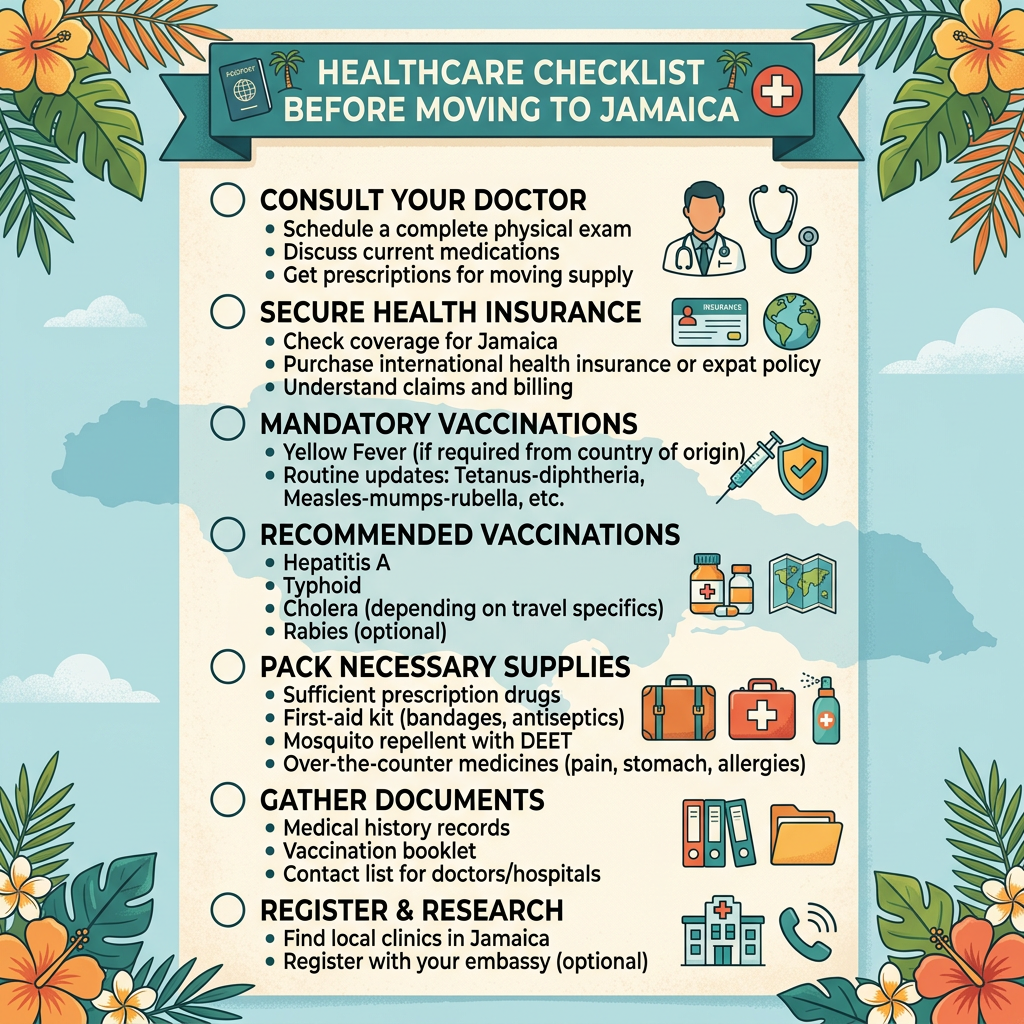
Moving to Jamaica involves much more than booking flights and shipping household goods. A little preparation before you leave can make your healthcare transition much smoother and help prevent gaps in medical care after you arrive.
Here’s a practical timeline to help you prepare.
Six Months Before Your Move
Begin organizing your medical information while you still have easy access to your current healthcare providers.
Ask your doctors for copies of:
- Medical records
- Recent laboratory results
- Imaging reports (X-rays, CT scans, MRIs)
- Vaccination records
- Specialist reports
- Medication lists
- Allergy information
If you have chronic conditions, request a written summary explaining your diagnosis, current treatment plan, and any recent changes in your health.
This information will help your new physician in Jamaica continue your care without unnecessary delays or repeated testing.
You should also:
- Review your Medicare, NHS, or provincial healthcare status.
- Contact your insurance company regarding your move.
- Begin researching Jamaican health insurance options if you plan to purchase private coverage.
- Apply for or reactivate your Taxpayer Registration Number (TRN) if needed.
A TRN is used for many government services in Jamaica and will also be useful if you later apply for National Health Fund benefits.
Final 60 Days Before Departure
As your move approaches, focus on making sure you’ll have everything needed during your first few months back home.
Schedule appointments with your current doctors to:
- Refill long-term prescriptions.
- Discuss medication substitutions if certain drugs are unavailable in Jamaica.
- Obtain written prescriptions.
- Request physician letters for controlled medications if applicable.
You should also:
- Identify a family doctor or health center near your new home in Jamaica.
- Locate the nearest public hospital.
- Research nearby private hospitals if you intend to use private healthcare.
- Purchase travel or transition health insurance if appropriate.
Having these arrangements in place before you board your flight can reduce unnecessary stress after arrival.
Choosing a Doctor in Jamaica
One of the first things returning Jamaicans should do after relocating is establish care with a local physician.
Don’t wait until you become sick.
Having a doctor who already knows your medical history makes future healthcare much easier.
Public Health Centers
Health centers are often the first point of contact within the public healthcare system.
They provide services including:
- Routine checkups
- Blood pressure monitoring
- Diabetes management
- Women’s health services
- Child health
- Vaccinations
- Referrals to specialists
If necessary, patients can be referred from a health center to a hospital or specialist clinic.
Private General Practitioners
Many returning residents choose a private family doctor because appointments are often easier to schedule and waiting times are generally shorter.
A private GP can:
- Manage chronic illnesses
- Prescribe medications
- Order laboratory tests
- Coordinate specialist referrals
- Maintain your long-term medical records
Even if you plan to use public healthcare for emergencies, having a private family physician can simplify routine care.
Questions to Ask During Your First Appointment
Consider discussing:
- How repeat prescriptions are handled.
- Which nearby hospitals they recommend.
- Whether they offer telehealth follow-up visits.
- How referrals to specialists work.
- Which pharmacy they recommend for your medications.
This first visit establishes your medical history in Jamaica and creates a foundation for future care.
Special Considerations for Aging Parents
Many Jamaicans return home to care for aging parents—or return alongside elderly relatives.
Healthcare planning becomes even more important in these situations.
Older adults often require:
- Multiple medications
- Specialist appointments
- Mobility assistance
- Regular laboratory testing
- Emergency planning
Before relocating, consider:
- How close the home is to the nearest hospital.
- Whether transportation will be available during emergencies.
- Whether family members live nearby.
- If private caregivers or home nursing services may eventually be needed.
If dementia, Parkinson’s disease, heart failure, or other chronic illnesses are involved, begin researching available support services before the move rather than waiting until assistance becomes necessary.
In Case of Emergency
No one plans to need emergency medical care, but knowing what to do ahead of time can save valuable minutes.
In Jamaica:
- 110 connects to Ambulance and Fire Services.
- 119 connects to the Police.
Depending on where you live, private ambulance providers may also be available.
If you have serious medical conditions, consider keeping:
- Emergency contact information
- Medication lists
- Allergies
- Blood type
- Physician contact information
stored in your wallet or on your mobile phone.
If you live in a rural parish, learn which hospital handles serious emergencies and how long it typically takes to get there.
Preparing before an emergency occurs allows you and your family to respond more confidently if one ever happens.
Common Healthcare Myths Debunked
Myth: Healthcare in Jamaica is completely free.
Not exactly.
Most government-operated clinics and hospitals provide healthcare without charging patients at the point of service, but some services may involve fees, and the University Hospital of the West Indies operates under a different payment structure.
Private healthcare is also entirely separate and requires payment or private insurance.
Myth: Medicare covers healthcare in Jamaica.
False.
Original Medicare generally does not pay for routine healthcare received in Jamaica.
If you’re relying on Medicare today, understand how relocating could affect your healthcare planning before making the move.
Myth: Returning Resident status automatically qualifies me for NHF.
False.
Returning Resident customs status and National Health Fund eligibility are separate.
To qualify for NHF benefits, you’ll generally need residency in Jamaica, a Taxpayer Registration Number, physician certification, and an eligible chronic medical condition.
Myth: I can use my overseas prescription forever.
Not usually.
After relocating, you’ll generally need a Jamaican physician to evaluate your condition and issue prescriptions accepted by local pharmacies.
Planning this transition early helps avoid interruptions in treatment.
Frequently Asked Questions
Is healthcare free in Jamaica?
Most government-operated clinics and public hospitals provide healthcare without charging patients at the point of service. However, private healthcare providers charge for their services, and some facilities, such as the University Hospital of the West Indies, operate under different fee structures.
Can I use Medicare after moving to Jamaica?
Original Medicare generally does not cover routine healthcare received in Jamaica. Review your coverage before relocating so you understand your options.
Do I need private health insurance?
Not everyone does, but many returning Jamaicans choose private insurance for quicker access to specialists, elective procedures, and private hospital care.
Can I apply for the National Health Fund immediately after moving?
If you meet the eligibility requirements—including residency, a Taxpayer Registration Number, physician certification, and a qualifying chronic condition—you can begin the application process after arriving.
Should I bring my medical records?
Yes. Copies of your medical history, prescriptions, laboratory results, imaging reports, and specialist notes will make it much easier for your Jamaican physician to continue your care.
How much medication should I bring?
Whenever possible, bring at least a 90-day supply of essential medications, along with your prescriptions and physician documentation.
Are specialists available throughout Jamaica?
Specialists are available across the island, but advanced services are concentrated primarily in Kingston, St. Andrew, and Montego Bay. Rural residents may need to travel for certain treatments.
What emergency number should I call?
Call 110 for Ambulance and Fire Services and 119 for Police assistance.
Conclusion
Returning to Jamaica is an exciting new chapter, but your healthcare deserves as much planning as your finances, housing, and moving arrangements.
Understanding how the public and private healthcare systems work, preparing your medical records, arranging prescription continuity, and establishing care with a local physician can make your transition much smoother.
The goal isn’t to anticipate every medical situation. It’s to arrive prepared, knowing where to go, who to call, and how the healthcare system works before you need it.
With thoughtful planning, you can return home with greater confidence, protect your long-term health, and focus on enjoying the next stage of your life in Jamaica.
Disclaimer
This guide is provided for general informational purposes only and should not be considered medical, legal, insurance, or financial advice. Healthcare policies, eligibility requirements, fees, and government programs may change over time. Before making decisions about your healthcare or relocating to Jamaica, verify current information with the relevant government agencies, healthcare providers, or qualified professionals. If you have specific medical needs, consult your physician before traveling or moving.
Island Breeze Jamaica strives to provide accurate and up-to-date information, but we cannot guarantee that all details remain current after publication.
Related Articles:
- Returning Resident Benefits
- Building a Home in Jamaica
- Understanding Family Land
- Passport Renewal Guide