The Dream Is Real, But So Are the Details
Buying land in Jamaica from abroad can feel like you are finally putting down roots again.
Maybe you are picturing the house you want to build one day. Maybe you want land for retirement, family legacy, farming, investment, or simply because Jamaica still feels like home no matter how long you have been away.
And yes, that dream is real.
But land buying is not something to rush.
A beautiful view, a good price, or a family recommendation does not automatically mean the land is clear, buildable, accessible, or legally safe to buy. Before you send money, sign anything, or let someone back home “handle everything,” you need to slow down and check the details.
This is not about fear.
It is about protecting the dream before it becomes a headache.
Related Article:
How to Buy Property in Jamaica From Abroad: A Step-by-Step Guide (2026)
Mistake 1: Falling in Love With the Land Before Checking the Paperwork
This one is easy to understand.
You see the land. The view is beautiful. The price sounds reasonable. Somebody says, “This is a good piece of land. Don’t miss it.”
And before you know it, your heart has already moved in.
But land can look perfect and still come with problems.
The paperwork has to support the sale.
Before you get emotionally attached, make sure the basics are being checked:
- Who legally owns the land?
- Is there a registered title?
- Are the Volume and Folio numbers available?
- Are there mortgages, caveats, restrictions, or claims?
- Is the land part of an estate or family arrangement?
- Does the land have legal access?
- Can it be used for what you want to do?
The view matters.
But the paperwork matters more.
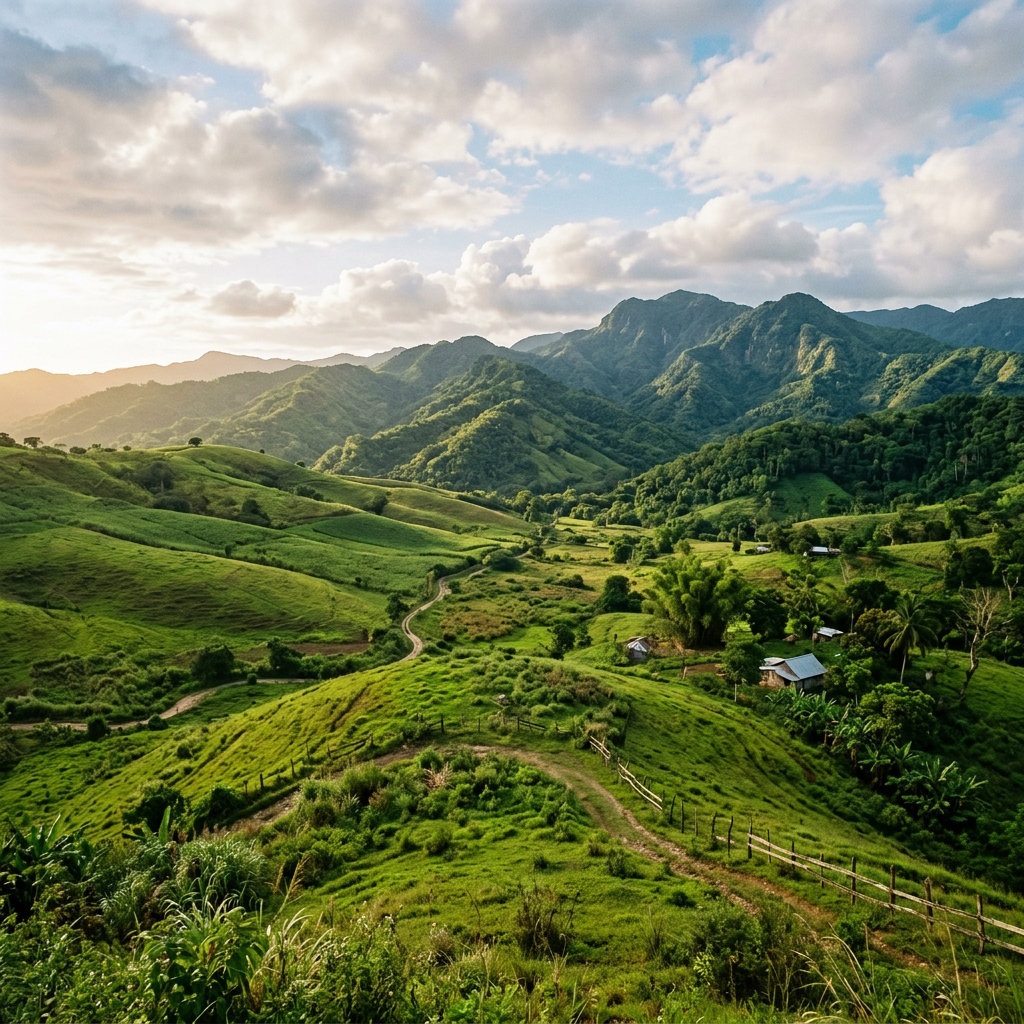
Mistake 2: Not Confirming the Seller Has the Right to Sell
The person showing you the land may not be the legal owner.
They may live nearby. They may be a relative. They may have keys to the gate. They may know the history of the property. They may even be the person everybody in the family “recognizes” as being in charge.
Still, that does not automatically give them the legal right to sell.
Before you move forward, your attorney should confirm who is listed on the title and whether the seller has the legal authority to sign the Agreement for Sale.
Be especially careful if:
- The registered owner has died
- The land belongs to more than one person
- Several relatives claim rights to the property
- The land is being sold by “the family”
- The person selling has a tax receipt but no title
- The estate has not been settled
- Probate or administration may be involved
A tax receipt, family story, or long-time occupation is not the same as clear legal authority to sell.
Do not let anybody rush you past this step.
Mistake 3: Skipping the Title Search
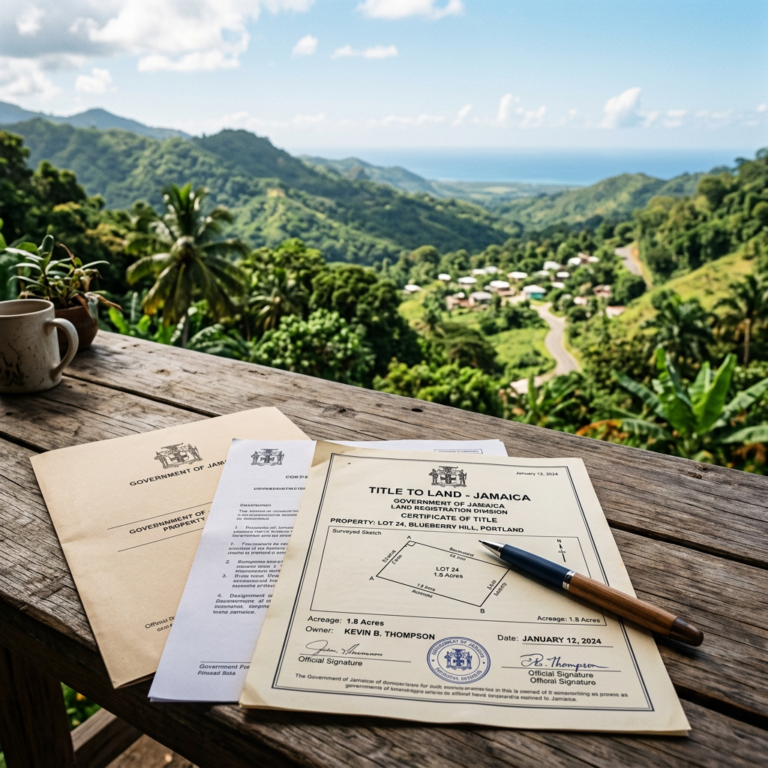
A title search is one of the most important steps before buying land in Jamaica.
In plain language, it helps confirm what is officially recorded about the property.
A proper title search can help identify:
- The registered owner’s name
- The property’s Volume and Folio numbers
- The property description
- Mortgages
- Caveats
- Easements
- Restrictive covenants
- Other issues that may affect the land
The Volume and Folio numbers are especially important because they help identify the specific Certificate of Title.
If someone cannot provide proper title information, that does not automatically mean the land is bad — but it does mean you need to slow down and get professional help.
Do not send a deposit, sign an Agreement for Sale, or start planning construction before your attorney has reviewed the title situation.
Related Article:
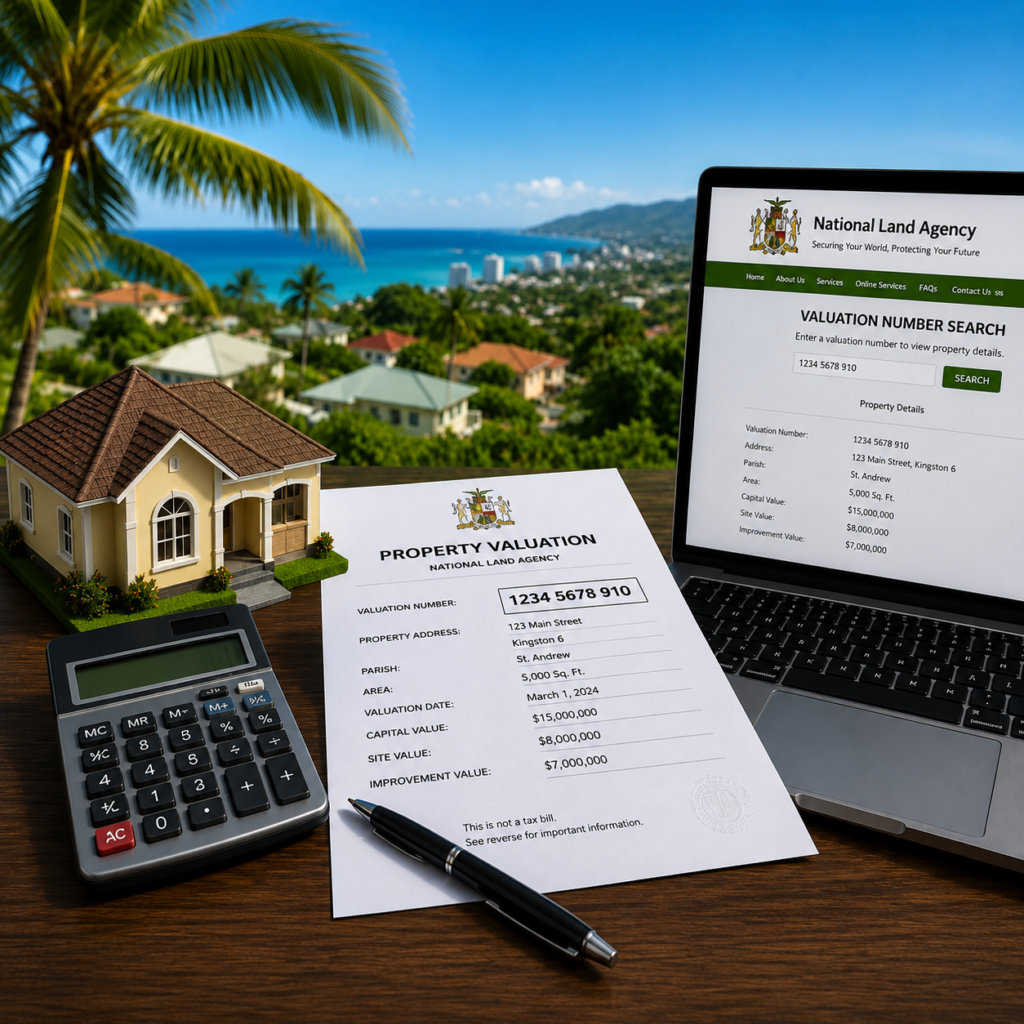
How to Find Jamaica Valuation Number Online
Check Out:
National Land Agency — Why Conduct a Title Search?
Mistake 4: Treating Family Land Like a Simple Sale
Family land in Jamaica can be emotional.
It may be land your grandparents lived on. Land your father always spoke about. Land everybody in the family says “belongs to us.” Land that carries memory, grief, pride, and old arguments in the same breath.
But family land is not always simple to sell.
One relative may agree. Another may disagree. Some relatives may live overseas. Some may have passed away. The original owner’s estate may never have been properly settled. People may have been living on or using the land for years without anything clearly written down.
That is why family land needs careful legal review.
Before you send money for family land, make sure you understand:
- Who is listed on the title
- Whether the registered owner is alive or deceased
- Whether probate or administration is needed
- Whether multiple heirs or beneficiaries are involved
- Whether everyone with legal rights has agreed
- Whether the portion being sold is clearly identified
- Whether the land can actually be transferred
Family agreement is not always the same as legal ownership.
Related Article:
Understanding Family Land in Jamaica
Mistake 5: Sending Money Without Written Terms
Please do not send money casually.
Not a “holding fee.”
Not a “small deposit.”
Not “just send something so they know you’re serious.”
Not “your cousin said the seller is good.”
If you are buying land from abroad, every payment should have written proof.
Before money changes hands, make sure you understand:
- Who is receiving the money
- What the money is for
- Whether it is refundable
- Whether an Agreement for Sale has been signed
- Whether the seller has legal authority
- Whether an attorney is holding funds
- Whether you have receipts
- Whether the terms are in writing
A real deal should not depend only on WhatsApp messages, phone calls, family pressure, or trust.
Trust is good.
Paperwork is better.
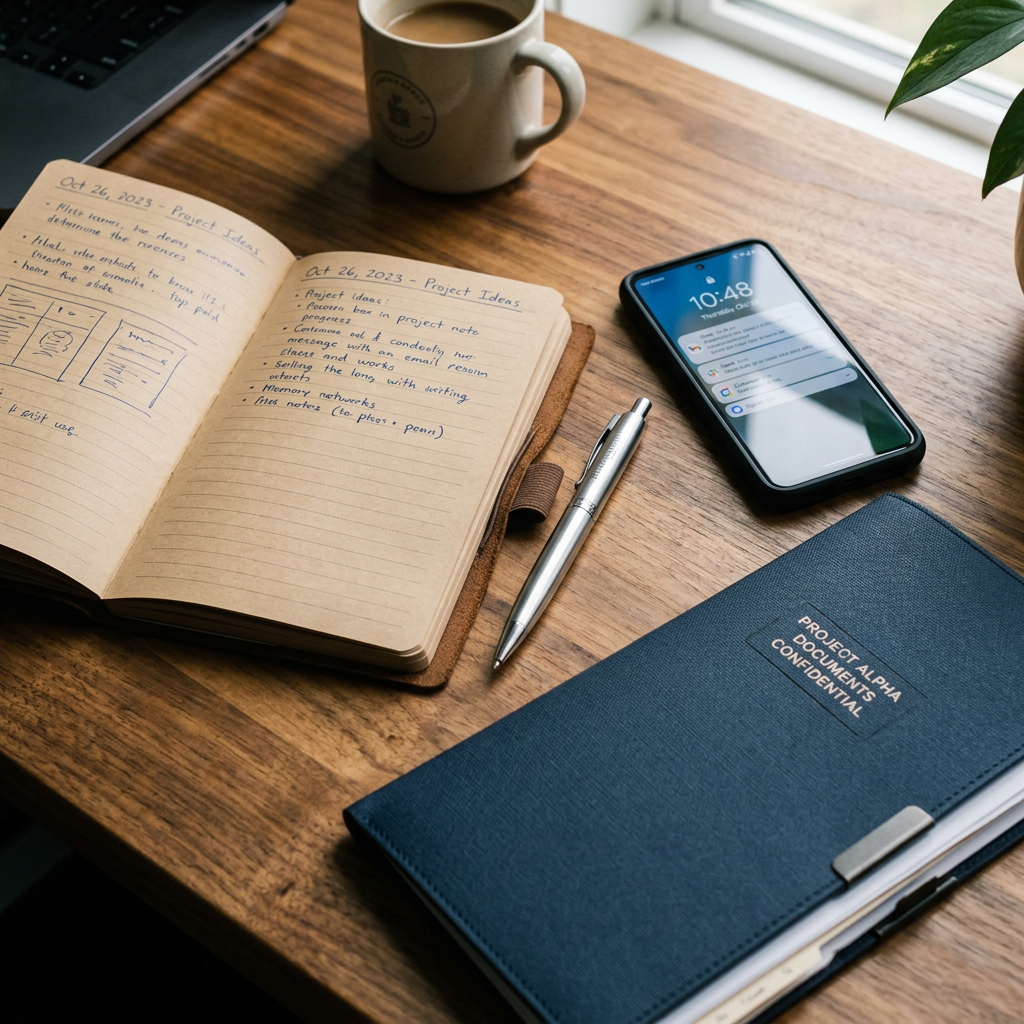
Mistake 6: Trusting Old Fences Instead of a Survey
In Jamaica, people will often point and say:
“The land starts right there.”
“That mango tree is the boundary.”
“The fence always been there.”
“Everybody knows where the line is.”
Maybe.
But old fences, hedges, trees, stones, and neighbor memory are not enough.
Boundaries can shift. Fences can be placed in the wrong spot. Neighbors may have built too far over. A path may cut across the land. The land being shown to you may not match the land described on paper.
This is where a registered land surveyor matters.
A surveyor can help confirm:
- The correct lot lines
- Boundary markers
- Encroachments
- Access points
- Whether the land being shown matches the documents
- Whether any part of the property is being used by someone else
Boundary issues are much easier to deal with before you buy than after you start building.
Mistake 7: Ignoring Road Access
A piece of land can look perfect and still have one major problem:
No clear legal access.
This is especially important with rural land, hillside land, family land, or land that sits behind another property.
Do not rely only on a dirt track, footpath, or “everybody uses this road.”
Ask:
- Is there a public road?
- Is there a registered right of way?
- Is access shown on the title or deposited plan?
- Does the road pass through someone else’s land?
- Can the road handle construction trucks?
- Is the road usable in heavy rain?
- Could a neighbor block the path later?
Without proper access, building can become difficult, expensive, or impossible.
Before you buy, confirm how you will legally get to the land.
Mistake 8: Not Checking Whether You Can Use the Land the Way You Plan
Not every piece of land can be used the way you imagine.
You may want to build a house, subdivide the land, farm it, rent it, put up apartments, or create a small business. But local planning rules, parish requirements, restrictive covenants, environmental concerns, or building approval rules may affect what you can actually do.
Before buying, ask questions like:
- Can I build a house here?
- Is the land zoned or suitable for my intended use?
- Are there restrictive covenants on the title?
- Is subdivision allowed?
- Are there environmental or drainage concerns?
- Which parish or municipal office handles approval?
- What building approvals would be needed later?
This is not the fun part of buying land, but it matters.
You do not want to buy land for a dream project and later find out the land cannot support that dream.
Mistake 9: Assuming Cheap Land Is Automatically a Good Deal
Cheap land can be tempting.
Especially when you are comparing Jamaican land prices with housing costs overseas.
But cheap land is not always a bargain.
Sometimes land is cheap because:
- The title is unclear
- There is no legal road access
- Utilities are far away
- The terrain is steep or difficult
- Drainage is poor
- The land is remote
- There are family disputes
- Boundaries are unclear
- The area is hard to build on
- The land needs major clearing, fencing, or road work
A low price can become expensive very quickly if you have to fix problems later.
Before you call something a good deal, ask what the low price is not telling you.
Mistake 10: Letting Someone Else Handle Everything Without Oversight
Having someone in Jamaica to help you is valuable.
A trusted relative, friend, realtor, attorney, or local contact can make the process easier when you live overseas.
But help is not the same as handing over control.
You still need to stay involved.
That means:
- Speak directly with your attorney
- Ask for copies of documents
- Review receipts
- Confirm payment instructions
- Keep written records
- Ask for updates in writing
- Request photos and videos when needed
- Understand each step before agreeing to it
Even well-meaning relatives can misunderstand legal details, skip steps, or rely too much on verbal promises.
This is your money.
This is your land.
Stay in the process.
Mistake 11: Starting to Build Too Soon
Do not start building just because you feel confident the deal will go through.
Do not clear the land, buy materials, hire contractors, put up fencing, or start foundation work before the ownership, boundaries, access, and approvals are clear.
That can become a very expensive mistake.
Before building, make sure:
- The sale is properly completed
- The title position is clear
- The boundaries are verified
- Legal access is confirmed
- Building plans are approved where required
- You understand parish or municipal requirements
- You have realistic costs and timelines
Buying land is one step.
Building is another whole journey.
Related Article:
Building a Home in Jamaica: Costs and Considerations for 2026
Mistake 12: Not Budgeting for the Full Cost
The land price is not the full cost.
That is one of the biggest surprises for overseas buyers.
Beyond the purchase price, you may need to budget for:
- Attorney fees
- Agreement for Sale preparation
- Stamp duty
- Registration fees
- Surveyor fees
- Property tax
- Travel to Jamaica
- Currency exchange and transfer costs
- Land clearing
- Fencing
- Road or access work
- Utility connection
- Building plans
- Parish or municipal approvals
- Ongoing maintenance
Do not spend your entire budget on the land itself.
Leave room for the boring but necessary costs that come after the excitement.
Related article:
How to Pay Jamaican Property Taxes Online From Overseas
Check Out :
DunnCox’s property purchase/sale cost FAQ.
When to Get Professional Help
Different people help with different parts of the process.
A Jamaican attorney can help with title searches, Agreement for Sale, transfer documents, seller authority, family land, estate issues, caveats, and legal questions.
A registered land surveyor can help with boundaries, access, encroachments, lot identification, and survey reports.
A licensed realtor or real estate agent can help with property search, seller communication, market context, and viewing coordination.
The National Land Agency can help with land records, title information, deposited plans, and official land-related services.
Tax Administration Jamaica or the relevant local authority can help with property tax information.
A parish municipal corporation or local planning office can help with building approval, subdivision, and development questions.
Do not expect one person to know or handle everything.
Get the right help for the right issue.
Common Mistakes Checklist
Before you buy land in Jamaica from abroad, make sure you are not:
- Falling in love with the view before checking the paperwork
- Trusting the seller without confirming legal authority
- Skipping a title search
- Treating family land like a simple sale
- Sending money without written terms
- Relying on old fences instead of a survey
- Ignoring road access
- Assuming you can use the land however you want
- Thinking cheap land is automatically a good deal
- Letting someone else handle everything without oversight
- Starting to build too soon
- Forgetting the full cost beyond the purchase price
Print the list. Save it. Send it to yourself before you send money.
Tiny bit dramatic? Maybe.
Useful? Absolutely.
Island Breeze Perspective
Buying land in Jamaica is emotional.
It is not just dirt and documents. It is the pull of home. The thought of waking up to mountain air, sea breeze, country quiet, or family land that still carries your name.
For Jamaicans abroad, land can feel like proof that no matter how far you went, you still have a place to return to.
But love for Jamaica should not make you ignore the details.
The right land can be a blessing.
The wrong unchecked deal can become years of stress.
So take your time. Ask the boring questions. Read the documents. Hire the right professionals. Keep receipts. Check the title. Confirm the boundaries. Make sure the road is real.
Protect the dream before you build on it.
Because when you finally buy land in Jamaica, you want peace with it too.
FAQ
Can I buy land in Jamaica while living overseas?
Yes. Jamaicans living overseas can buy land in Jamaica, but it is important to work with qualified professionals and verify the title, seller authority, boundaries, access, and costs before sending money.
Do I need a Jamaican attorney to buy land?
It is strongly recommended. A Jamaican attorney can review title information, prepare or review the Agreement for Sale, confirm seller authority, handle transfer steps, and help protect your interests.
What is a title search?
A title search checks the official land records to confirm who owns the property and whether there are issues such as mortgages, caveats, easements, restrictive covenants, or other matters that could affect the sale.
Can family land be sold?
Sometimes, but it depends on the legal ownership and estate situation. One relative agreeing to sell does not automatically mean the land is legally clear. Family land should be reviewed carefully by a Jamaican attorney.
Should I send a deposit before seeing the title?
No. Do not send a deposit casually. Make sure the title and seller authority have been checked and that any payment is supported by written terms, receipts, and proper legal guidance.
How do I know if land has legal road access?
Ask your attorney and surveyor to confirm access through the title, deposited plan, survey information, or recorded right of way. Do not rely only on a physical path or verbal assurance.
Do I need a survey before buying land?
A survey can be very helpful, especially if boundaries are unclear, the land is rural, neighbors are close, or you plan to build. A registered land surveyor can help confirm the lot lines and identify possible issues.
Can I start building right after buying land?
Not immediately. First confirm ownership, boundaries, road access, building requirements, and parish or municipal approvals. Building too soon can lead to expensive problems.
Helpful Official Resources
Use these for current requirements and official information:
- National Land Agency — Title search and land records
- National Land Agency — eLandjamaica portal
- Tax Administration Jamaica — Property tax and payment resources
- Local Authorities of Jamaica — Development approval and parish guidance
- Parish municipal corporation websites — Building approval and subdivision guidance
- Real Estate Authority of Jamaica — Real estate professional information
- General Legal Council of Jamaica — Attorney standards and professional information
Disclaimer
This article is for general informational purposes only. It is not legal, financial, tax, real estate, or professional property advice. Jamaican land laws, municipal planning rules, tax requirements, and real estate procedures can change. Before buying land or sending money, consult a licensed Jamaican attorney, a registered land surveyor, and the relevant Jamaican agencies or local authorities for your specific situation.