Last Verified: June 2026
For many Jamaicans living overseas, building a home back home is more than a financial goal. It is a dream that represents family, retirement, security, and a lasting connection to the island.
The plan often sounds straightforward. Buy a piece of land, hire a contractor, send the funds, and watch your dream home take shape.
Then reality arrives.
Material prices increase. Permit approvals take longer than expected. Labor costs change. Utility connections become an unexpected expense. Before long, a project that looked affordable on paper can end up costing significantly more than anticipated.
The good news is that building in Jamaica is still achievable. The key is understanding the full picture before construction begins.
This guide explains the major costs, hidden expenses, and practical considerations Jamaicans overseas should understand before building a home in Jamaica in 2026.
Important Before You Start
All costs mentioned in this article are estimates intended for planning purposes only.
Construction costs vary by parish, finish level, contractor, land conditions, material availability, and exchange rate fluctuations. Always obtain current quotations from qualified professionals before making financial decisions.
Building a house is not simply about paying for concrete blocks and roofing materials. The true cost includes permits, professional services, utilities, site preparation, transportation, and ongoing project management.
Why Building in Jamaica Often Costs More Than Expected
One of the biggest surprises for overseas homeowners is discovering that the house itself is only part of the budget.
Many people estimate the cost of walls, roofing, windows, and flooring but forget about:
- Land clearing
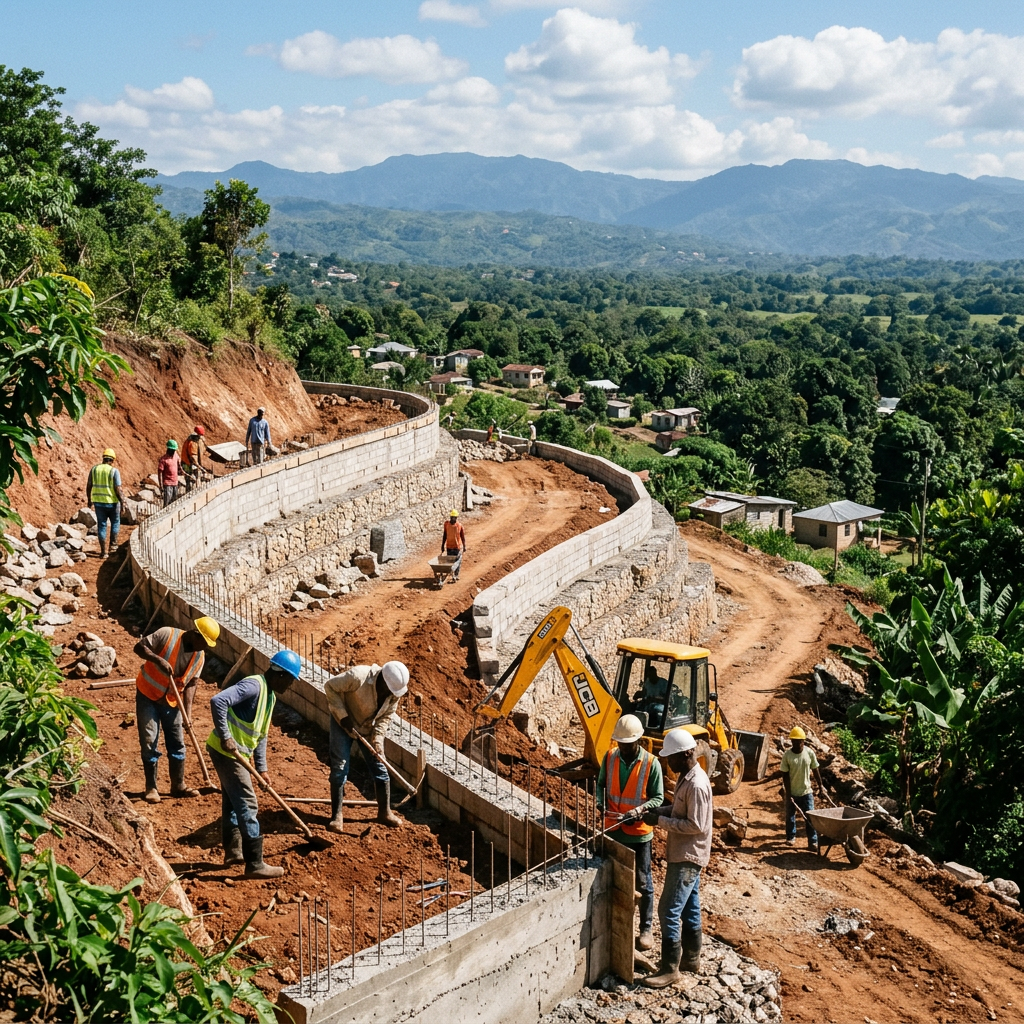
- Excavation and grading
- Retaining walls
- Utility connections
- Driveways
- Boundary walls
- Security gates
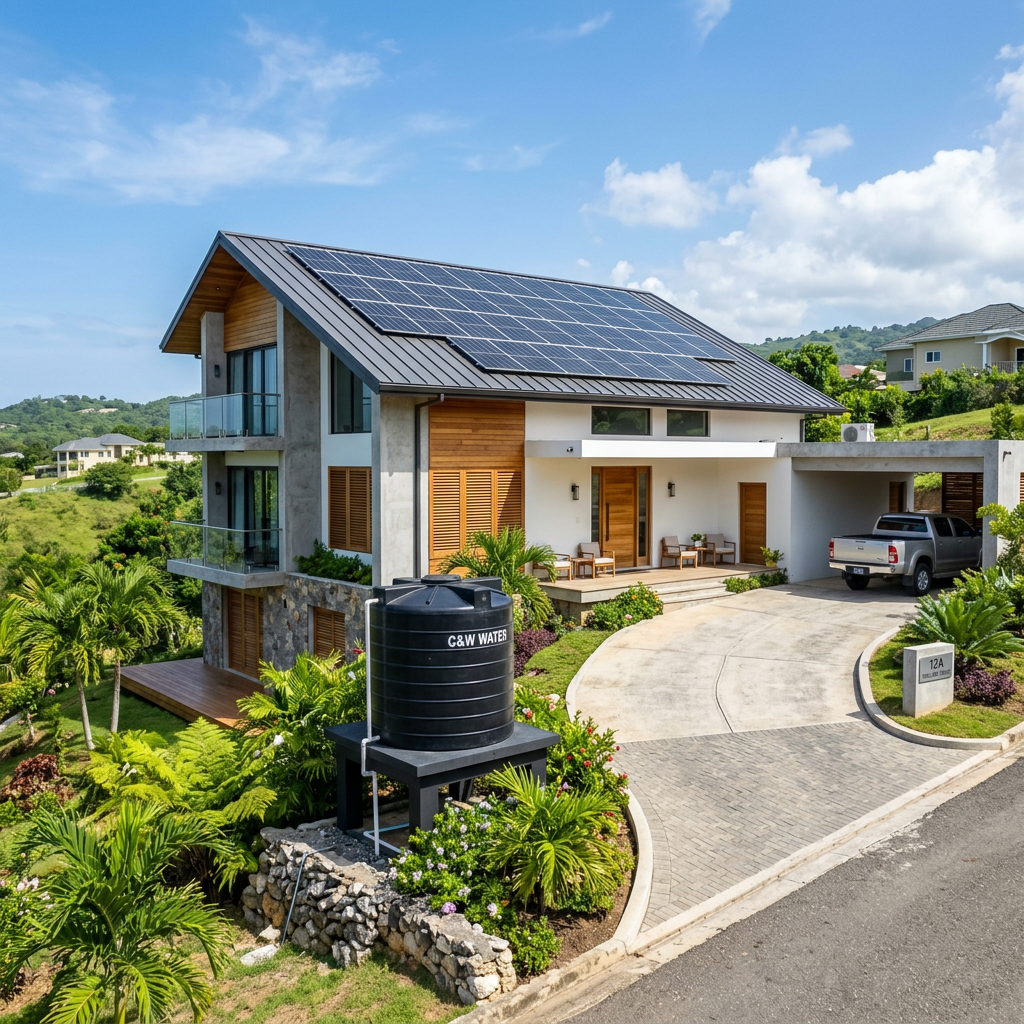
- Water storage systems
- Septic systems
- Landscaping
- Furniture and appliances
A project that begins as a simple house build can quickly become a complete property development project.
For this reason, many experienced builders recommend budgeting at least 10% to 15% above your projected cost, while some homeowners choose an even larger contingency fund to account for unexpected expenses.
Materials: Understanding Jamaica’s Import Reality
Jamaica imports many of the materials used in residential construction. Because of this, local prices are affected by international shipping costs, supply chain disruptions, and exchange rate movements.
Recent market references have shown:
- 6-inch concrete blocks ranging approximately JMD 140 to JMD 180 each
- Carib Cement (42.5kg bag) ranging approximately JMD 1,442 to JMD 1,611
- Lumber, steel, roofing materials, and fixtures varying significantly based on availability and supplier
Even when global prices remain stable, a changing exchange rate can increase local costs.
This is why builders should obtain multiple quotations before purchasing materials and avoid relying on old price estimates.
Labor Costs Across Jamaica
Labor costs vary considerably across the island.
Generally, labour rates in Kingston, St. Andrew, Montego Bay, and other high-demand areas tend to be higher than rates in some rural parishes.
Construction projects often require multiple specialized trades, including:
- Masons
- Carpenters
- Electricians
- Plumbers
- Steel benders
- Tilers
- Painters
Because each trade is usually billed separately, labor can become one of the largest expenses in a project.
When hiring a contractor, request a written scope of work and a clear payment schedule. Avoid making large upfront payments without documentation showing exactly what work will be completed.
Permits and Professional Fees
Before construction begins, several professional services and approvals are usually required.
These may include:
- Architectural drawings
- Engineering drawings
- Surveyor’s ID report
- Building permit application
- Municipal approval fees
Building permit fees are generally based on the size and estimated value of the structure.
Requirements can vary depending on the parish and type of project, so always confirm current procedures with the relevant Municipal Corporation before submitting your plans.
The Cost Nobody Talks About: Utilities
Many overseas Jamaicans purchase land believing it is ready for construction only to discover that utility infrastructure still needs significant work.
Potential costs include:
Electricity (JPS)
Connection costs depend on:
- Distance from existing power lines
- Availability of service in the area
- Whether additional poles or infrastructure are needed
Water (NWC)
Water connection costs depend on:
- Access to municipal water mains
- Distance from existing infrastructure
- Whether a storage tank and pressure system will be required
Septic Systems
Properties without municipal sewer service typically require a septic tank system.
Costs vary based on:
- Soil conditions
- Property size
- Engineering requirements
These expenses should be included in your initial budget, not treated as afterthoughts.
How Long Does It Really Take to Build a House in Jamaica?
One of the most common questions Jamaicans overseas ask is, “How long will it take?”
Unfortunately, there is no single answer.
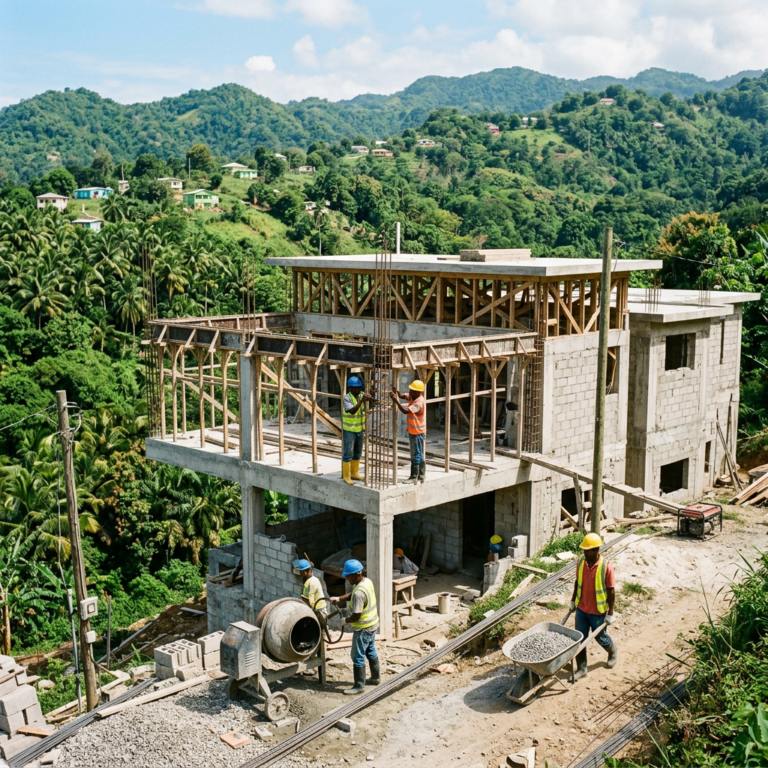
While some homes can be completed within 8 to 12 months, many projects take considerably longer due to permit delays, weather interruptions, labour shortages, cash flow challenges, material availability, or changes made during construction.
A typical timeline may look something like this:
Stage
Estimated Time
Design and Drawings
1–3 Months
Permit Approval
Several Weeks to Several Months
Site Preparation
1–4 Weeks
Foundation and Structure
2–4 Months
Roofing and Exterior
1–2 Months
Electrical, Plumbing, and Finishes
2–4 Months
Final Inspections and Completion
Varies
The most successful projects are usually those with realistic timelines rather than overly optimistic expectations.
The Exchange Rate Factor
For Jamaicans living abroad, exchange rates can have a significant impact on construction budgets.
As of June 2026, the Jamaican dollar has been trading in the range of approximately JMD 157–158 per US dollar. However, exchange rates fluctuate regularly.
For example:
A construction budget of JMD 20 million would be approximately:
- USD $126,600 at JMD 158 per USD
- USD $121,200 at JMD 165 per USD
While a weaker Jamaican dollar may appear beneficial when sending funds from overseas, it can also increase the local cost of imported building materials.
The safest approach is to build flexibility into your budget and avoid relying on a single exchange rate when planning a long-term project.
Financing a Build From Overseas
Not everyone plans to build using cash alone.
Several Jamaican financial institutions offer mortgage and construction financing options for Jamaicans living overseas.
Examples include:
- Victoria Mutual Building Society
- JN Bank
- National Commercial Bank Jamaica
- Scotiabank Jamaica
Requirements vary by lender but may include:
- Valid government-issued identification
- Proof of overseas income
- Employment verification
- Credit information
- Jamaican Tax Registration Number (TRN)
- Property ownership documents
If you are considering financing, contact multiple lenders and compare terms before making a decision.
Build or Buy: Which Makes More Sense in 2026?
Many diaspora buyers automatically assume building is the better option.
Sometimes it is.
Sometimes it is not.
Building May Be Best If:
- You already own land.
- You want a custom-designed home.
- You plan to live in the property long-term.
- You have trusted supervision on the ground.
Buying May Be Best If:
- You want to move in quickly.
- You prefer predictable costs.
- You want to avoid construction management.
- You live overseas and cannot visit frequently.
There is no universal answer.
The right choice depends on your budget, timeline, location, and comfort level with managing a project from abroad.
Common Mistakes Jamaicans Overseas Make
1. Underestimating the Budget
Many homeowners focus on the house itself and forget about:
- Site preparation
- Utility connections
- Boundary walls
- Security features
- Furnishings
- Landscaping
2. Paying Too Much Upfront
Avoid handing over large sums of money before work is completed.
Use written contracts and tie payments to completed milestones whenever possible.
3. Building Without Oversight
Even the best contractor benefits from accountability.
Having someone you trust periodically visit the site can help identify issues early.
4. Ignoring Permit Requirements
Building without proper approvals can create costly legal and administrative problems later.
5. Assuming Every Quote Includes Everything
Always ask for detailed written quotations.
Clarify exactly what is included and what is not.
Frequently Asked Questions
How much does it cost to build a house in Jamaica in 2026?
Costs vary significantly depending on location, design, finish level, and site conditions. Always obtain current local quotations before making financial decisions.
Is it cheaper to build or buy a house in Jamaica?
It depends. Building offers customization, while buying can provide greater cost certainty and a faster timeline.
Can Jamaicans living overseas get a mortgage in Jamaica?
Yes. Several Jamaican lenders offer mortgage products for overseas Jamaicans, subject to qualification requirements.
Do I need an architect to build in Jamaica?
Most new residential construction projects require professionally prepared drawings and approvals. Requirements should be confirmed with your local Municipal Corporation.
How long does it take to build a house in Jamaica?
Many projects take between 8 and 18 months, although timelines vary significantly depending on permits, weather, financing, labour availability, and project complexity.
Final Thoughts
Building a home in Jamaica can be one of the most rewarding investments you ever make. It can also be one of the most challenging if you begin without a clear understanding of the full costs involved.
The most successful projects are usually not the ones with the biggest budgets. They are the ones with the best planning.
Take time to research your parish, verify current costs, compare contractors, understand permit requirements, and build a realistic contingency fund into your plans.
A little preparation today can save a great deal of money, frustration, and uncertainty tomorrow.
Related Reading:
- How to Apply for a Jamaican TRN From Overseas
- The Jamaican Overseas Homeowner Checklist
- How to Pay Jamaican Property Tax Online From Overseas
- Managing Property in Jamaica While Living Abroad