For many Jamaicans living abroad, sending money home is not just another monthly expense. It is school lunch money for grandchildren, support for aging parents, help with a light bill, a contribution to a partner draw, or assistance with building and maintaining property back home.
Across the Jamaican diaspora, remittances are deeply tied to family responsibility and survival.
That is why many people have been paying close attention to the new 1% U.S. remittance tax that officially took effect on January 1, 2026.
The good news is this: despite what social media rumors may suggest, not every money transfer is affected.
In many cases, Jamaicans who send money digitally using a bank account, debit card, or certain online methods may avoid the tax entirely under current IRS guidance.
Here is what the new law means, who it affects most, and the smartest ways to continue sending money to Jamaica without unnecessary costs.
What Is the New U.S. Remittance Tax?
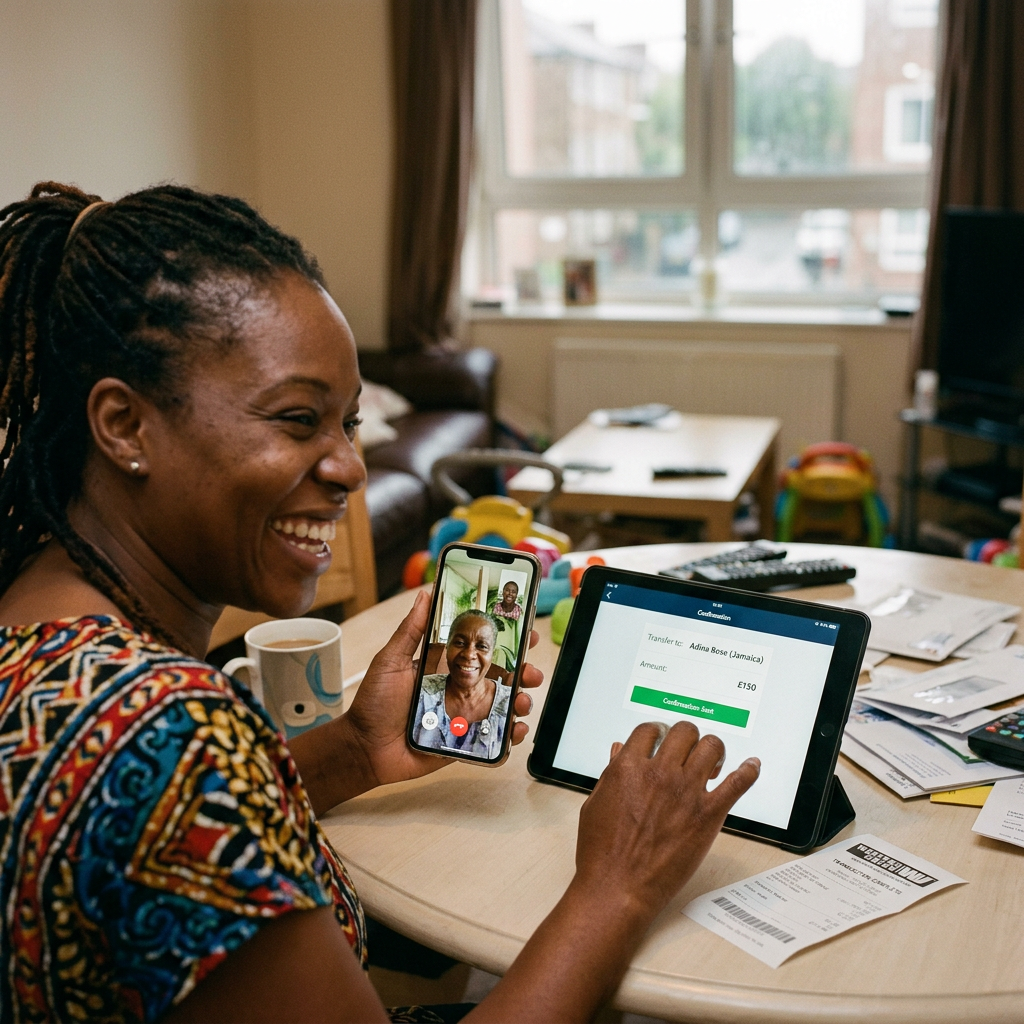
The 1% remittance tax is a federal excise tax created under the One Big Beautiful Bill Act, signed into law in July 2025.
The tax applies to certain outbound money transfers sent from the United States to foreign countries, including Jamaica.
Under current guidance, the tax generally applies when remittances are funded using:
- Physical cash
- Money orders
- Cashier’s checks
- Similar paper-based instruments
The tax is collected by the remittance provider at the time the transfer is made.
This means the sender pays the tax in the United States — not the person receiving the money in Jamaica.
What This Means for Jamaicans Abroad
For many Caribbean families, even a small fee matters.
A 1% tax may not sound significant at first, but for people sending money every month, the costs add up over time.
Someone sending:
- $500 monthly could pay roughly $60 per year in taxes
- $1,000 monthly could pay around $120 yearly
That is money many families would rather put toward groceries, medication, school expenses, or utility bills.
The biggest issue is that many people may accidentally trigger the tax simply because they are still using older walk-in cash methods instead of digital transfers.
Which Transfers Are Taxed?
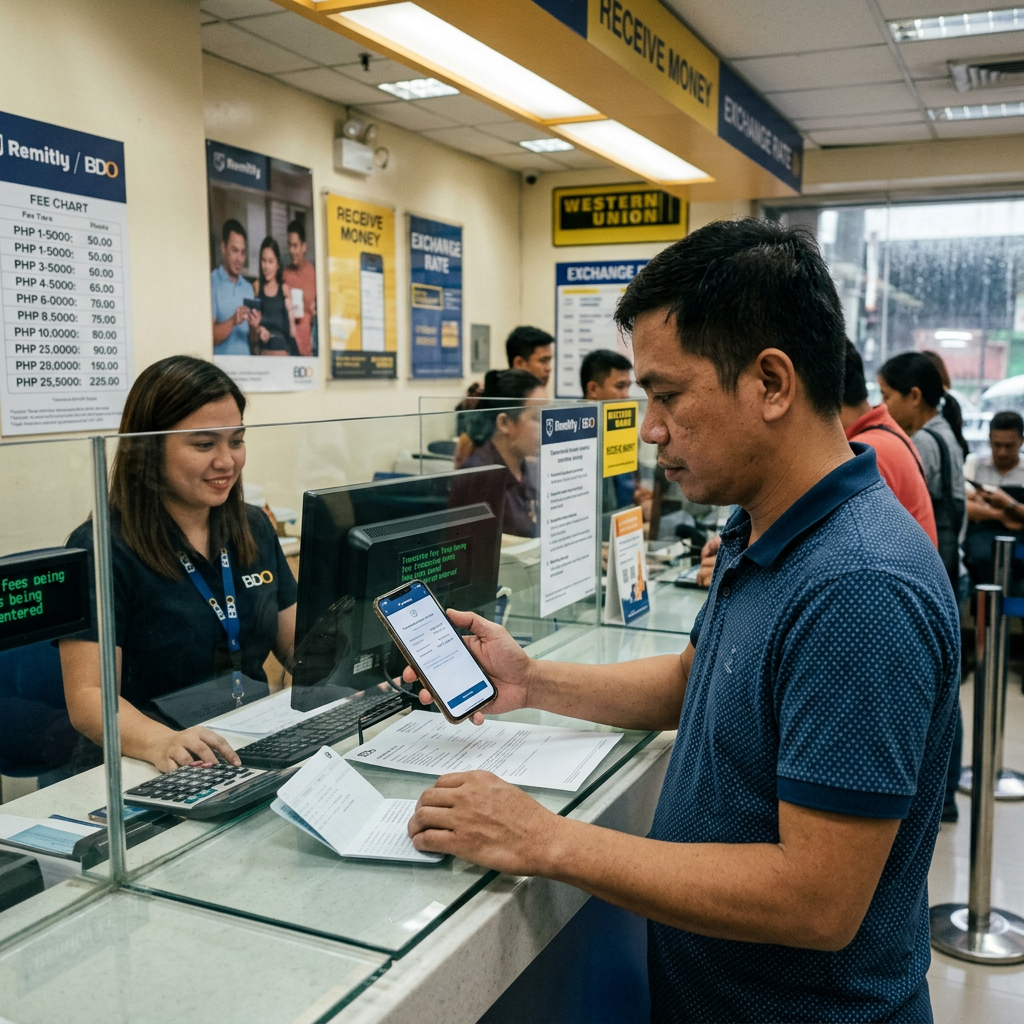
Under current IRS guidance, the tax generally applies when you send money using:
- Physical cash at a walk-in location
- Money orders
- Cashier’s checks
- Similar paper-based payment methods
Examples include:
- Walking into a remittance store and handing over cash
- Using a money order to fund a transfer
- Funding transfers using paper instruments instead of digital banking
If you typically send money in person using cash, this is the category most likely to trigger the tax.
Which Transfers Are Generally Exempt?
Many common digital payment methods currently appear exempt from the tax.
These include transfers funded using:
- U.S. bank accounts (ACH transfers)
- Debit cards
- Credit cards
- Bank wire transfers
- Some digital wallets linked to bank accounts or cards
For many Jamaicans abroad, this means the simplest solution may be switching from cash walk-in services to online or app-based transfers.
How Much Could the Tax Cost?
| Amount Sent | Estimated Tax (1%) | Total Before Provider Fees |
|---|---|---|
| $100 | $1 | $101 |
| $250 | $2.50 | $252.50 |
| $500 | $5 | $505 |
| $1,000 | $10 | $1,010 |
| $2,000 | $20 | $2,020 |
This is separate from regular transfer fees or exchange-rate markups charged by remittance companies.
The Smartest Ways to Send Money to Jamaica in 2026
The simplest way to reduce extra costs is to move away from cash-funded transfers and use digital methods instead.
1. Use Your Debit Card
For most people, this is likely the easiest option.
Benefits include:
- Fast delivery
- Lower fees
- Convenience
- Generally exempt under current guidance
Many transfer apps allow debit card payments directly from your phone.
2. Link Your Bank Account
ACH bank transfers remain one of the most cost-effective ways to send money internationally.
This method is commonly available through:
- Remitly
- Wise
- Western Union online
- MoneyGram app
- JN Money Online
Bank-linked transfers may take slightly longer than debit cards but often offer lower fees.
3. Be Careful Using Credit Cards
While credit cards may currently qualify under exempt funding methods, some providers charge higher processing fees.
Additionally, some credit card companies may classify remittances as cash advances, which can trigger:
- High interest rates
- Additional fees
- Immediate interest accrual
Always check with your card provider before using this method regularly.
Best Remittance Services for Jamaicans Abroad
Remitly
Popular among Jamaicans in the United States for quick transfers, competitive fees, and easy debit card or bank account funding.
Wise
Known for transparent exchange rates and strong options for direct bank transfers.
JN Money Online
A familiar and trusted name for many Jamaican families, especially those already connected to JN services.
Western Union & MoneyGram
Still useful for recipients collecting cash in Jamaica — but many users now avoid the tax by funding transfers online instead of paying cash in-store.
Watch Out for Hidden Fees
Even if you avoid the 1% tax, some providers may still charge:
- High transfer fees
- Poor exchange rates
- Hidden currency conversion markups
The best comparison is not just the fee itself.
Always compare:
How many Jamaican dollars your family actually receives.
Sometimes a “low-fee” transfer ends up costing more because of a weaker exchange rate.
How to Explain the Change to Family in Jamaica
Many relatives back home may hear rumors about a “new tax” and assume money transfers are being heavily restricted.
A simple explanation helps avoid confusion:
“The U.S. now charges a small tax if money is sent using cash methods. I’m switching to online transfers using my bank card instead because it helps avoid extra costs and keeps more money reaching you.”
For many families, this shift is simply about sending money more efficiently.
Final Thoughts
For Jamaicans abroad, sending money home has always been about more than finances. It is about responsibility, connection, and helping family stay afloat across borders.
The new remittance tax adds another layer to that reality, but for most people, the adjustment is manageable.
The biggest takeaway is simple:
- Avoid cash-funded transfers when possible
- Use secure digital transfer methods
- Compare exchange rates carefully
- Stick with licensed, trusted remittance services
Small changes in how you send money can make a meaningful difference over time.
Related Island Breeze Jamaica Guides
- How to Pay Jamaican Property Taxes Online From Overseas
- Why More Jamaicans Abroad Are Managing Property Matters Online
- How to Apply for a Jamaican TRN From Overseas
External Resources
- IRS Guidance on Remittance Transfer Tax
- Remitly Jamaica Transfers
- Wise International Transfers
- JN Money Online
- Western Union Jamaica
Disclaimer
This article is for informational purposes only and should not be considered legal, tax, or financial advice. Tax laws and remittance policies may change over time. Always confirm current requirements directly with your remittance provider, financial institution, or qualified tax professional.